You’ve just replaced your car battery, and yet, the pesky battery warning light is still illuminating your dashboard. It’s frustrating, isn’t it? But don’t worry, this issue is more common than you might think. In this article, we’ll walk you through the possible reasons why your battery light still on after replacing battery and how you can fix it.
Table of Contents
ToggleUnderstanding the Battery Light
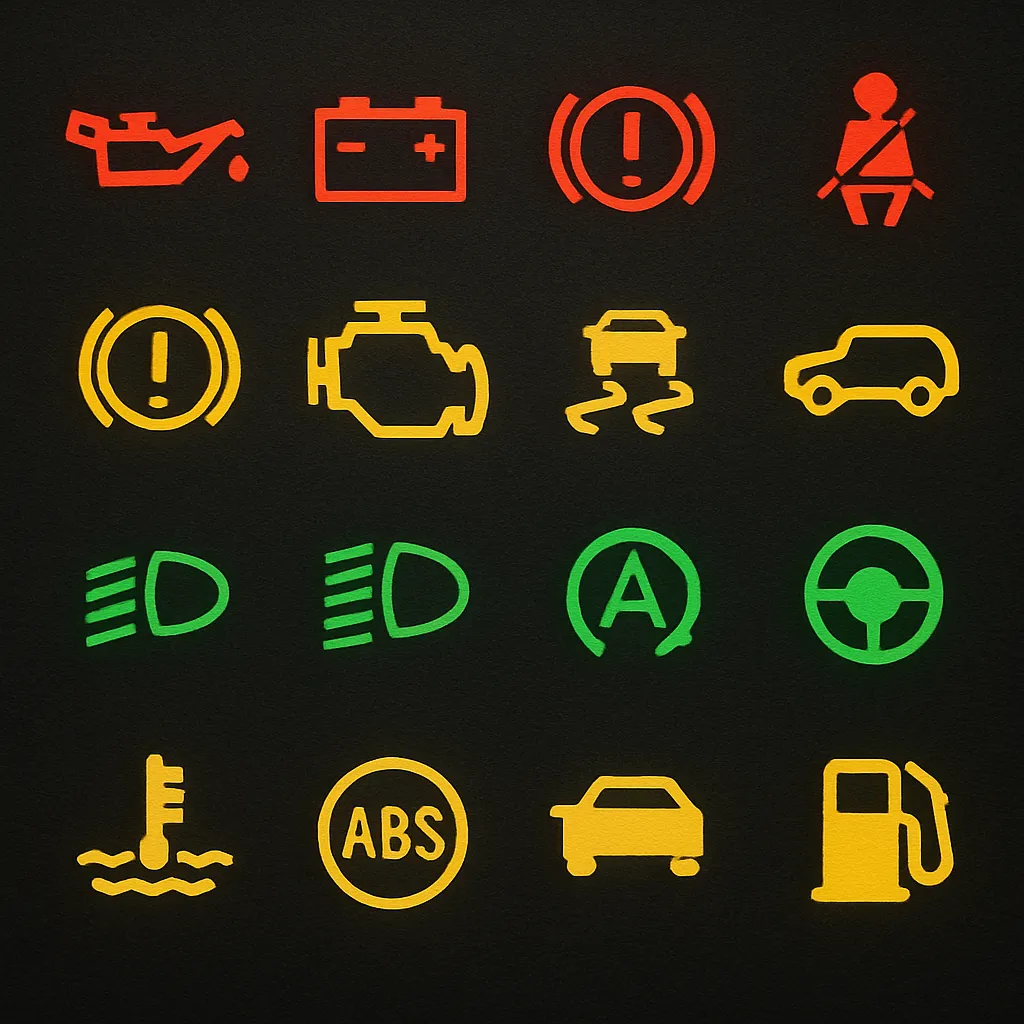
The battery light on your dashboard is part of your car’s electrical system. Its job is to alert you to potential issues with the battery or the charging system. When the battery light comes on, it could mean that your battery isn’t charging correctly, which may lead to a dead battery if left unresolved.
What Does the Battery Light Indicate?
The battery light serves as an early warning mechanism for your vehicle. It can signal a variety of issues, from minor to severe. Understanding what the light indicates can save you from unexpected breakdowns. It’s essential to pay attention to this light as it can prevent more significant problems down the line.
How the Battery Light Works
The light is connected to your car’s onboard diagnostics system. When you start your car, the light should illuminate briefly and then turn off. If it stays on, it means the system has detected an issue. The diagnostics system continuously monitors the electrical components to ensure everything is functioning correctly.
Importance of Immediate Attention
Ignoring the battery light can lead to more serious problems, including complete battery failure. This light is not just a suggestion; it’s a warning that requires immediate attention. Addressing the issue promptly can prevent costly repairs and inconvenient breakdowns.
Why Is My Battery Light On?
There are several reasons why your battery light still on after replacing battery. Here are some common culprits:
Alternator Problems
If your alternator is faulty, it won’t properly charge the battery, causing the light to stay on. The alternator is responsible for powering your car’s electrical systems while the engine runs. A failing alternator can lead to a drained battery and leave you stranded.
Faulty Wiring
Loose or corroded wires in the charging system can interrupt the flow of electricity. Wiring problems can be tricky to diagnose, as they often involve checking each connection manually. Corrosion is a common issue, especially if your car is exposed to moisture regularly.
Bad Voltage Regulator
This component controls the amount of voltage sent to the battery. If it’s malfunctioning, the battery light may stay on. The voltage regulator ensures that the battery receives just the right amount of charge, preventing overcharging or undercharging.
Serpentine Belt Issues
If the serpentine belt is loose or damaged, it won’t turn the alternator pulley effectively. This belt drives multiple components in your engine, including the alternator. A worn or broken belt can stop these components from functioning altogether.
Additional Electrical System Issues
Beyond these common issues, other electrical system failures can cause the battery light still on after replacing battery. Problems with the alternator pulley, battery cable connections, or even the dashboard light itself can be the source. A comprehensive diagnosis often involves checking these additional components.
Diagnosing the Problem
To fix the issue, you’ll need to diagnose what’s causing the battery light to stay on. Here’s how you can do it:
Step 1: Check the Alternator
The alternator is a critical component of your car’s charging system. To see if it’s working properly, you can perform a simple test:
- Start the car and let it run. Listen for any unusual noises that might indicate a problem.
- Use a multimeter to measure the voltage at the battery terminals. A healthy alternator should produce about 13.8 to 14.4 volts.
- If the voltage is lower, your alternator might be failing and needs to be checked by a professional. Don’t delay in getting a professional assessment to avoid further damage.
Step 2: Inspect the Wiring
Electrical issues often stem from bad wiring. Check the wires connected to the battery and alternator for any signs of damage or corrosion. Look for frayed or exposed wires, as these can cause short circuits. If you find any loose or frayed wires, they should be repaired or replaced immediately.
Step 3: Test the Voltage Regulator
The voltage regulator ensures that the battery receives the correct amount of charge. If you’re comfortable with cars, you can test it yourself with a multimeter, but you might prefer to have a professional check it out. Ensure the voltage remains consistent when the car is running.
Step 4: Examine the Serpentine Belt
A worn or loose serpentine belt can cause the alternator to underperform. Inspect the belt for cracks, fraying, or looseness, and replace it if necessary. Consider having a mechanic check the belt tension to ensure it’s set correctly.
Step 5: Investigate Other Electrical Components
Sometimes, the issue may lie in other parts of the electrical system. Check the alternator pulley for proper alignment and functionality. Ensure the battery cables are connected securely, and look for any signs of wear or damage. If the dashboard light itself is faulty, it may need replacement.
Fixing the Battery Light Issue
Once you’ve diagnosed the problem, you can take steps to fix it. Here’s what you might need to do:
Replace the Alternator
If the alternator is the issue, it will need to be repaired or replaced. This isn’t a DIY job for most people, so consider taking your car to a mechanic. A professional can ensure the new alternator is installed correctly and is compatible with your vehicle.
Repair or Replace Wiring
For faulty wiring, you might need to clean the terminals, tighten loose connections, or replace damaged wires. Ensuring all connections are secure can often resolve the issue. Use a high-quality wire to prevent future problems and ensure a stable electrical connection.
Change the Voltage Regulator
A malfunctioning voltage regulator will also need replacement. Again, this is typically a job for a professional mechanic. The process involves removing the old regulator and installing a new one, which requires precision and expertise.
Install a New Serpentine Belt
If the serpentine belt is the problem, replacing it can restore the proper function of your car’s charging system. Ensure the new belt is the correct size and tension for your vehicle. A properly installed belt will prevent future alternator issues and improve overall engine performance.
Address Additional Electrical Issues
If other components are faulty, they should be repaired or replaced as needed. This includes the alternator pulley and battery cable connections. It’s also wise to have a mechanic inspect the entire electrical system to catch any lingering issues.
Prevention Tips
To avoid seeing that battery light on your dashboard, consider these preventive measures:
Regular Maintenance
Regular check-ups can catch potential issues before they become major problems. Schedule periodic visits to your mechanic to ensure all systems are functioning correctly. Early detection of issues can save you time and money in the long run.
Keep Terminals Clean
Clean battery terminals prevent corrosion and ensure a good electrical connection. Use a terminal cleaner or a mixture of baking soda and water to remove corrosion. Regular cleaning can extend the life of your battery and improve performance.
Check Belt Tension
Regularly inspect the serpentine belt for wear and proper tension. A loose or worn belt can lead to alternator failure and other engine issues. Adjust the tension as needed or replace the belt to maintain optimal engine performance.
Monitor Battery Health
Periodically test your battery to ensure it’s holding a charge. Use a battery tester or have a professional evaluate its condition. A healthy battery is crucial for the reliability of your vehicle’s electrical system.
Stay Informed About Your Car’s Systems
Understanding how your car’s electrical system works can help you detect potential issues early. Read your vehicle’s manual and educate yourself about common problems. Being proactive can prevent unexpected breakdowns and costly repairs.
Conclusion
A persistent battery light can be more than just a nuisance; it’s a signal that something in your car’s charging system isn’t functioning as it should. By diagnosing the issue and taking appropriate action, you can keep your vehicle running smoothly and avoid getting stranded with a dead battery.
If you’re not comfortable handling these tasks yourself, don’t hesitate to reach out to a professional mechanic for help. With the right maintenance and care, you can keep the battery light at bay and ensure your car’s reliability. Regular attention to your car’s electrical system is a small investment for peace of mind and prolonged vehicle life.