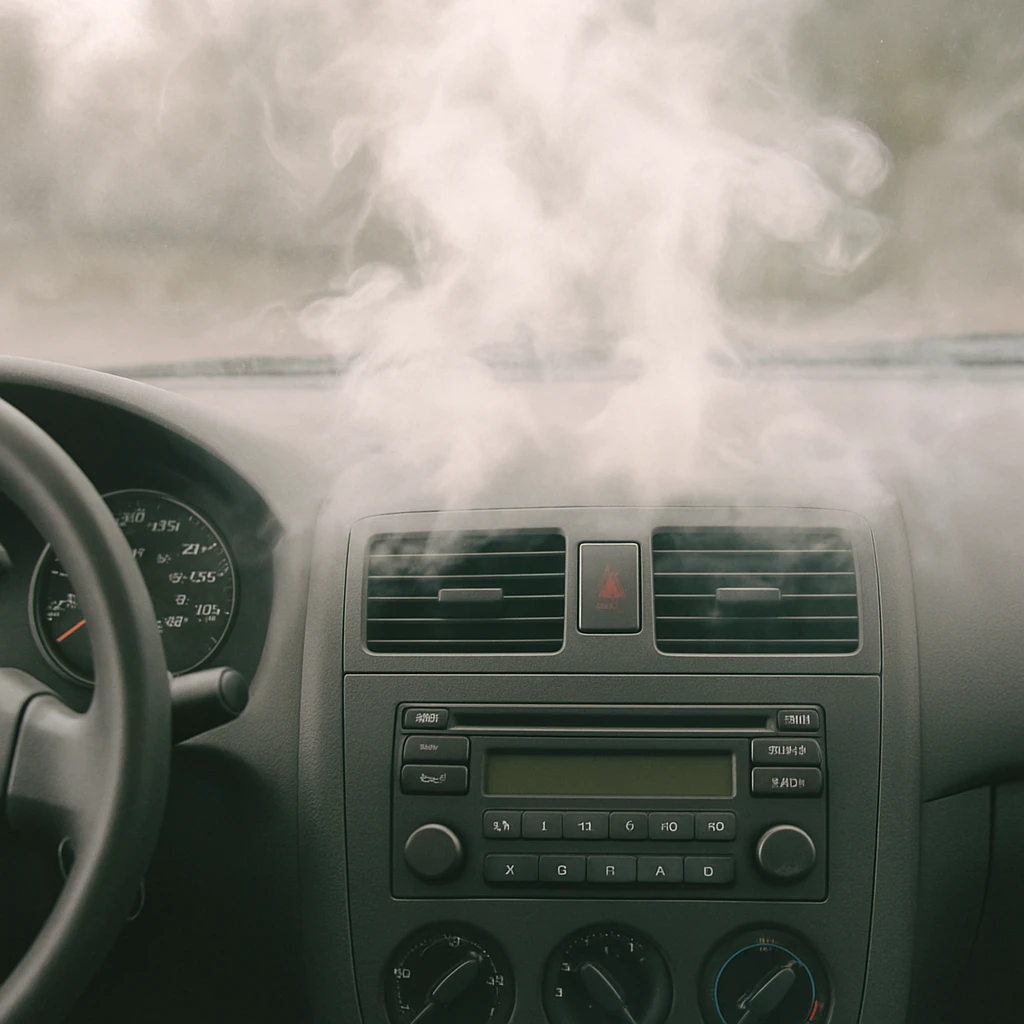
A burning smell from car can be alarming. It often signals an underlying issue that needs attention. Ignoring it could lead to more severe problems. This guide will help you understand why your car might smell burnt.
We’ll explore common causes like oil leaks and electrical shorts. You’ll learn how to identify different burning smells, such as rubber or plastic. Knowing the source is crucial for preventing damage. Regular vehicle maintenance can help avoid these issues. If the smell persists, it might be time to consult a professional.
Table of Contents
ToggleWhy Does My Car Smell Burnt? Understanding the Warning Signs
A burning smell from your car is a red flag. It can point to many different problems. These problems range from minor to severe. Recognizing these warning signs early can save you stress and money. Common causes include fluid leaks or worn-out components.
A persistent burning smell should not be overlooked. It might indicate a serious issue like electrical faults. These can lead to short circuits or even fires.
Here are some typical sources of burnt smells in cars:
- Oil leaks
- Worn-out belts
- Overheated brakes
- Electrical issues
Addressing the smell promptly can prevent further damage. Investigate as soon as you notice an unusual odor. Some issues, like a slipping clutch, may emit a burning smell when accelerating. In contrast, an overheated engine might smell burnt but not feel hot.
Common Types of Burning Smells in Cars and What They Mean
Identifying the type of burning smell from car is crucial. Different smells can indicate different problems. Each has unique characteristics.
A burning rubber smell often points to something like a slipping drive belt. This could require an adjustment or replacement. Burning plastic odors may suggest electrical issues or melting insulation. Addressing these quickly is vital to avoid further risks.
Burning oil or fluid smells are also common. These often stem from oil leaks. This can cause fluids to burn on hot engine parts.
The following list summarizes common sources of burning smells:
- Burning rubber: loose belts, hoses
- Burning plastic: electrical problems
- Burning oil: oil leaks, fluid spills
An electrical burning smell is another possibility. It can indicate overheating components. This should be checked immediately.
A burning smell from the heater or AC might relate to a clogged filter. It could also mean something more severe. Understanding these variations helps in timely diagnosis and repair. Early action can prevent extensive damage and costly repairs.
Burning Rubber Smell in Car
A burning rubber smell in your car is alarming. It can indicate worn-out or loose belts. These are crucial components in your engine. When belts slip, they emit this distinct odor. The friction generates excessive heat, burning the rubber. Inspect these parts promptly.
Hoses touching hot engine parts can also emit this smell. Ensure hoses are well-secured and away from high temperatures.
Look out for the following if you smell burning rubber:
- Slipping belts
- Hoses near hot surfaces
- Worn-out rubber components
Ignoring a burning rubber smell could lead to severe engine damage. Always address such issues immediately. Regular maintenance checks can prevent unexpected incidents. Keeping components in good condition avoids lasting issues.
Burning Plastic Smell in Car
When a car smells like burning plastic, pay attention. This could point to electrical troubles. Melting wires or components might be the cause. Often, overheated electrical systems give off this smell. Damaged wiring can risk more significant problems. Early detection is crucial.
Various factors can lead to this smell:
- Melting wires
- Malfunctioning electronics
- Overheated components
It may also result from plastic parts touching hot engine parts. Inspect these areas to avoid further damage. Replace worn or damaged electrical parts immediately. This ensures ongoing safety and performance. Engage a professional if needed.
Burning Oil or Fluid Smell
A burning oil smell is a sign of leaks. It often arises when oil drips onto hot engine surfaces. Addressing leaks is essential for engine health. This smell can also occur if transmission or coolant fluids overheat. These fluids play key roles in vehicle operations.
Here’s what to check if you detect this scent:
- Oil leaks
- Fluid spills
- Overheating systems
Over time, leaks can lead to costly repairs or failures. Regularly inspect and maintain your vehicle to prevent such issues. Monitor fluid levels and look out for puddles under the car. This proactive approach can save you from future headaches.
Electrical Burning Smell
An electrical burning smell in your car is a red alert. It often means your car’s electrical components are overheating. Such issues can lead to fires if not addressed. This smell suggests failing circuitry or overloaded systems. Prompt attention is vital to avoid hazards.
Common triggers include:
- Overheated wires
- Faulty starters
- Malfunctioning alternators
Carefully inspect areas where electrical components reside. This identifies any potential risks early. Calling a professional may be wise if you’re unsure. Proper handling of electrical issues ensures long-term safety.
Burning Smell from Heater or AC
If your car’s heater or AC emits a burning smell, check it out. A clogged cabin air filter could be the culprit. Dust and dirt accumulate over time, causing odors. Sometimes, heater core leaks also emit burning smells. This demands immediate repair to prevent further damage.
Here’s what to look for:
- Dust buildup in the system
- Clogged cabin air filter
- Possible heater core issues
Assess and clean air filters regularly. This simple task can clear many airflow problems. Always opt for timely inspection and maintenance. It ensures your vehicle’s heating and cooling systems work properly.
Burning Smell When Accelerating or After Driving: What’s Happening?
A burning smell from car during acceleration can be unsettling. This odor often signals issues within the vehicle’s transmission or brakes. It’s a sign you shouldn’t overlook.
In manual vehicles, a burning odor often indicates clutch problems. When the clutch slips, it can overheat and emit a pungent smell. This needs fixing to prevent further wear.
Automatic vehicles are not immune either. A transmission overheated from low fluid levels can also smell burnt. Regular checks on fluid levels are key.
If you smell burning right after driving, consider these sources:
- Overheated brakes
- Slipping transmission
- Faulty clutch (manual cars)
Moreover, overheated brakes can emit a burning smell after extensive use. If your car smells like burnt rubber after driving, the brakes might be the culprit.
Resolving these issues promptly ensures your vehicle remains safe and reliable. Neglecting them may lead to expensive repairs and unsafe driving conditions. Regular inspection and maintenance go a long way in preventing such occurrences.
Diagnosing the Source: Step-by-Step Guide
Identifying the cause of a burning smell from car is crucial. Start by determining where the odor is strongest. This can give you clues about the source.
First, check under the hood. Look for visible signs such as smoke or fluid leaks. If you see any, avoid driving the car until it’s repaired. Next, inspect the belts and hoses. Ensure nothing is frayed or touching hot engine parts. A slipping belt or a melted hose can cause a burning rubber odor.
Don’t forget to examine the brakes. They might produce a burning smell if worn out or if the car is driven hard. Overheated brakes are a serious concern.
Here’s a quick checklist to guide your diagnosis:
- Inspect for leaks or smoke under the hood.
- Check belts and hoses for damage.
- Examine brake pads and rotors.
If you’re unsure where the smell originates, consider professional assistance. Mechanics have the tools and expertise to diagnose and fix the problem efficiently. Remember, prompt diagnosis can prevent further damage and costly repairs.
How to Fix and Prevent Burning Smells from Your Car
Fixing a burning smell from car starts with identifying the cause. Once you’ve determined the source, you can take steps to address it. Regular maintenance is key to preventing recurring issues.
To fix a burning rubber smell, replace damaged belts or hoses. Ensure they are securely fastened and not in contact with hot engine parts. This simple check can prevent future issues. Addressing a burning oil smell often involves repairing leaks. Inspect gaskets and seals for damage. Replacing worn parts can stop oil from dripping onto hot surfaces.
Regular brake inspections are crucial. Worn-out brakes not only cause unpleasant odors but also reduce safety. Replacing brake pads before they wear down completely is crucial.
Here are essential prevention tips:
- Schedule regular oil changes.
- Check belts and hoses periodically.
- Inspect brake pads for wear.
Additionally, keep an eye on electrical systems. Ensure wires and insulation remain intact. Addressing small problems early can prevent larger, more costly issues. Regular servicing and a proactive approach are the best ways to keep your car odor-free.
When to Seek Professional Help
In some cases, professional help is essential. If the burning smell persists despite your efforts, it’s wise to consult a mechanic. Persistent issues may indicate hidden problems that require expert insight.
Additionally, a burning smell accompanied by smoke is a serious concern. This situation demands immediate professional attention. Ignoring it can lead to safety hazards and further damage.
Consider seeking professional help if:
- The smell continues after home checks.
- Smoke is present.
- You’re unsure about the source.
Relying on a trained mechanic can ensure safety and prevent costly future repairs. They have the tools and expertise needed to diagnose complex issues effectively.
Frequently Asked Questions About Burning Smells in Cars
Car owners often have questions when they notice strange smells. Understanding these odors can be confusing, but it is crucial for safety.
What should I do if my car smells like burning rubber?
Check belts and hoses first. Ensure they aren’t loose or damaged.
Why does my car smell like burning plastic?
This often indicates electrical issues. Inspect wiring for any signs of melting or burning.
Is a burning smell always a serious issue?
Not always, but it shouldn’t be ignored. Even minor issues can escalate over time.
Can a new car have a burning smell?
Yes, sometimes new cars emit odors from protective coatings burning off during initial drives. This typically fades quickly.
Common burning smells and their meanings can vary. When in doubt, consult a professional to prevent potential hazards. Ensuring regular maintenance can also minimize these occurrences. Safety should always be the top priority when it comes to your vehicle.
Conclusion: Don’t Ignore That Burning Smell
A burning smell from your car is a sign not to be dismissed. Quick action can prevent bigger problems down the road.
Stay safe by identifying and addressing these smells early on. Routine checks and maintenance are vital to keeping your vehicle running smoothly and keeping you and your passengers safe.