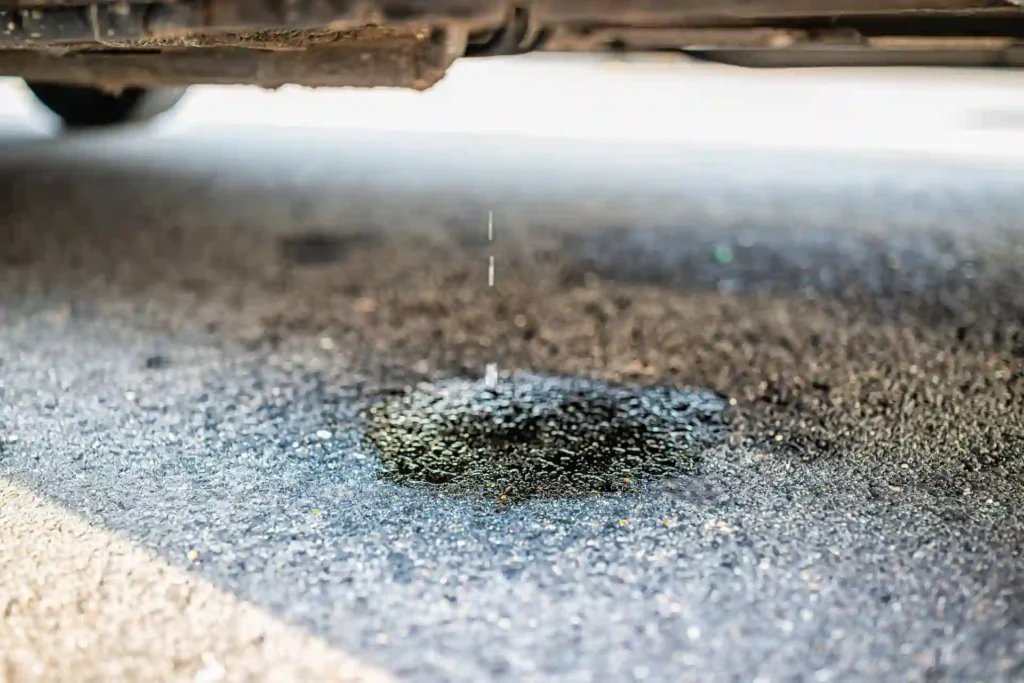
A car leaking oil while parked is typically caused by worn-out engine components, such as damaged gaskets or seals, or a compromised oil pan. Other common reasons include a loose drain plug or an improperly installed oil filter.
In my experience, the usual suspects are damaged gaskets and seals that have deteriorated from normal wear and tear. I’ve also come across a lot of damaged oil pan issues caused by road debris. Sometimes, the problem is simpler, like a loose drain plug or an improperly installed oil filter from the last oil change.
A more serious issue to look out for is an overfilled oil level, which builds up pressure and forces oil out of weak spots. While some leaks might seem like an easy DIY fix, it’s always smart to have a qualified mechanic diagnose the issue to find the exact source and ensure the necessary repairs are done right. Trying to fix a complex leak yourself can often lead to bigger headaches down the road.
Why Your Car Might Be Leaking Oil When Parked
Noticing a dark, greasy puddle under your car after it’s been parked can be frustrating — and it’s often a sign that something needs attention. Oil leaks are more than just a mess on your driveway; they can indicate wear or damage to important engine components.
When your car is parked, oil naturally settles at the bottom of the engine. If there’s even a small crack, loose plug, or worn-out gasket, oil can slowly seep out and form a stain under your vehicle.
Common Causes of Oil Leaks
-
Faulty Gaskets or Seals
Gaskets and seals are designed to keep oil inside the engine. Over time, heat and pressure can cause them to dry out, crack, or wear down. When this happens, oil seeps through the gaps and forms puddles under your parked car.
The most common gaskets that fail are the oil pan gasket, valve cover gasket, and timing cover seal. A burning oil smell or visible drips on the driveway are clear signs it’s time to inspect and replace them.
-
Damaged Oil Filler Cap
The oil filler cap is a small but important component that prevents oil from splashing out of the engine. If the cap is loose, cracked, or its rubber O-ring is worn, oil can leak while driving and drip once the car is parked.
Check that the cap is tightened properly and replace it if it’s damaged. It’s a simple, inexpensive fix that can stop the leak right away.
-
Worn or Damaged Oil Filter
An oil filter that is old, clogged, or improperly installed can cause leaks around its base. Using the wrong size filter can also lead to poor sealing and oil loss.
If you notice oil collecting near the filter area, it may just need to be tightened or replaced. Always use the correct filter recommended for your vehicle and ensure it’s installed securely after every oil change.
-
Damaged Oil Pan or Loose Drain Plug
The oil pan sits at the bottom of the engine and is vulnerable to damage from road debris, curbs, or speed bumps. A dented or cracked oil pan can slowly leak oil while your car is parked.
Similarly, a loose or missing drain plug, often after an oil change, is a very common cause of leaks. Check the plug for tightness and replace its washer if it’s worn.
-
Failing Rear Main Seal or Camshaft Seal
The rear main seal and camshaft seal are critical for keeping oil from leaking where the engine connects to the transmission or camshaft area. When these seals fail, they can cause major leaks that leave large puddles under your car.
These repairs are complex and usually require professional service because they involve removing major engine components.
How to Identify Where the Leak Is Coming From
Checking for Oil Spots Under the Car
The most obvious sign of an oil leak is a puddle or spots on the ground where your car has been parked. The color can offer clues: fresh oil is typically a light amber, while older, used oil will be dark brown or black. Even a small leak can leave a few telltale drops, so always glance under your vehicle before you drive off.
Inspecting Gaskets, Seals, and Filters
Once you suspect a leak, it’s time for a visual inspection. Look under the hood and underneath the car for any signs of oily residue. Check the engine’s connection points, like the valve cover gaskets and oil pan gaskets. Also, be sure to inspect the oil filter to ensure it’s on tight and its seal isn’t damaged. Over time, these parts can become brittle or crack, leading to leaks.
Looking for Low Oil Levels or Warning Lights
Even without visible spots on the ground, a leak can be confirmed by a consistently low reading on your dipstick. If you’re constantly adding oil between changes, it’s a strong indicator that it’s leaking somewhere. Your car’s dashboard can also give you a heads-up. The oil pressure warning lights will illuminate if the leak is severe enough to cause a significant drop in pressure.

How to Fix a Car Oil Leak
DIY Fixes and Quick Solutions
For minor leaks, you can try some quick fixes yourself. Start by tightening loose components like the oil filter or drain plug. If the leak is from a visible spot, you might be able to replace a faulty gasket or seal. As a temporary solution, you can use oil stop-leak additives to swell seals and slow a drip, but this is not a permanent repair.
Tighten Loose Components
Sometimes, an oil leak is as simple as a loose oil filter or a drain plug that wasn’t properly tightened during the last oil change. Before you do anything else, check these spots. You can often tighten them yourself with a wrench, but be careful not to overtighten and cause more damage.
Replace Faulty Gaskets or Seals
If the leak is coming from a visible gasket or seal, and you have some mechanical experience, you can try replacing it yourself. Common leaks occur at the valve cover or oil pan gasket. This requires the right tools and a new part, but it’s a very common fix.
Use Oil Stop-Leak Additives (Temporary Fix)
For a minor seeping leak, a stop-leak additive might be a temporary solution. These products are designed to swell and soften old, hardened seals, which can slow or stop a leak. Remember, this is not a permanent fix and is best used to get you to a mechanic for a proper repair.
When to Call a Mechanic
Strong Oil Smell or Engine Smoke
If you start to smell burning oil or see smoke coming from your engine, it’s a sign that oil is leaking onto hot engine parts. This is a fire hazard and indicates a more serious leak that a professional needs to address immediately.
Persistent Low Oil Levels
If you find yourself constantly adding oil to your car between scheduled oil changes, even without seeing a puddle, you have a leak. A mechanic can accurately diagnose the source, which might be a worn-out rear main seal or another internal component that’s difficult to reach.
Dashboard Warning Lights Stay On
A flashing or solid oil pressure warning light on your dashboard is a serious sign. It means your engine isn’t getting enough oil pressure, which can lead to catastrophic engine damage. Pull over safely and call for a tow to a repair shop right away.
How to Prevent Future Oil Leaks
Regular Oil Changes and Maintenance
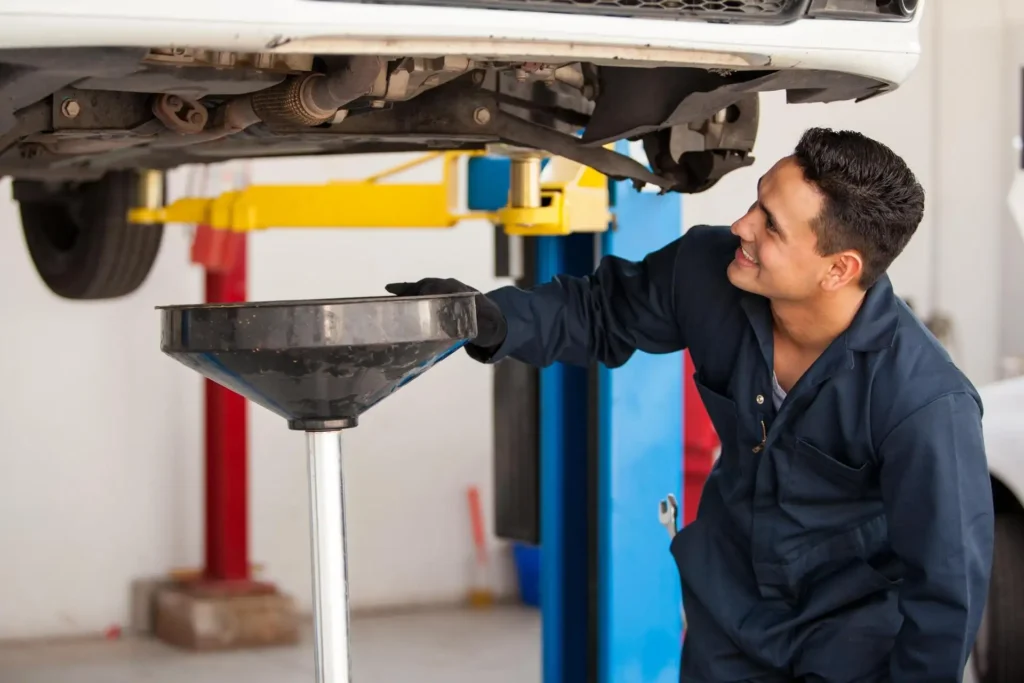
The best way to prevent future oil leaks is to follow your car’s maintenance schedule. Regular oil changes ensure you have fresh, clean oil, and it gives a mechanic a chance to spot potential issues before they become major problems.
Periodic Inspection of Seals and Filters
Make it a habit to periodically inspect your engine for any signs of oily residue. Check around the oil filter, drain plug, and valve covers for any damp spots. Catching a leak when it’s just starting can save you from a bigger repair later on.
Watching for Early Signs of Leaks
Stay vigilant by keeping an eye on your driveway. A few small drops of oil under your car can be an early warning sign. By noticing these small signs, you can address the issue before it turns into a large, costly repair.
Final Thoughts
An oil leak can be a worrying sight, but by knowing what to look for and when to act, you can protect your car. While some minor leaks can be fixed at home, others require professional expertise. Being proactive with your car’s maintenance is the most effective way to prevent these issues from happening in the first place. For dependable service and expert advice, consider visiting Crown Auto Repair & Collision in Sugar Land, TX.

Hello, I’m Muhammad Awais, a Strategic SEO Specialist at Genius Agency.
My core mission is simple: to help client websites grow significantly and achieve genuine business success. I manage the full SEO process, which includes fixing technical problems, perfecting on-page content, and running high-quality link campaigns.
I enjoy solving tough ranking challenges. I use data from Google Analytics 4 and Search Console to ensure every strategy I build is based on facts and delivers solid, lasting results. My focus is on making your site a clear winner in search results.