Experiencing a car that vibrates while accelerating can be unsettling. It disrupts the smoothness of your drive and raises concerns about potential damage. Understanding why your vehicle vibrates when accelerating is crucial. It can help you identify the problem early and avoid costly repairs.
Common causes include unbalanced tires, worn suspension parts, and engine issues. Each of these can lead to a car that shakes when pressing the gas. Ignoring these vibrations can affect your car’s performance and safety. Addressing them promptly ensures a smoother, safer ride.
This guide will explore causes, fixes, and when to consult a mechanic.
Why Does My Car Vibrate When Accelerating?
Vibrations during acceleration can arise from various sources in the car’s systems. Identifying the specific cause is essential to resolving the issue effectively and maintaining your vehicle’s performance.
Several components can lead to your car shaking when accelerating. Common culprits include the tires, engine, and suspension system. Any of these can result in a vibration you feel when pressing the gas.
When your car is shuddering when accelerating, it’s essential to consider possible engine problems. A misfiring engine or faulty spark plugs often cause vibrations. These issues can make the acceleration rough and uneven.
Other potential causes include:
- Unbalanced or damaged tires
- Suspension and steering problems
- Driveshaft and axle issues
- Brake system concerns
These problems each require different diagnostic approaches. Understanding the symptoms helps you or your mechanic pinpoint the issue accurately. It enables efficient and cost-effective repairs, ensuring smoother rides ahead.
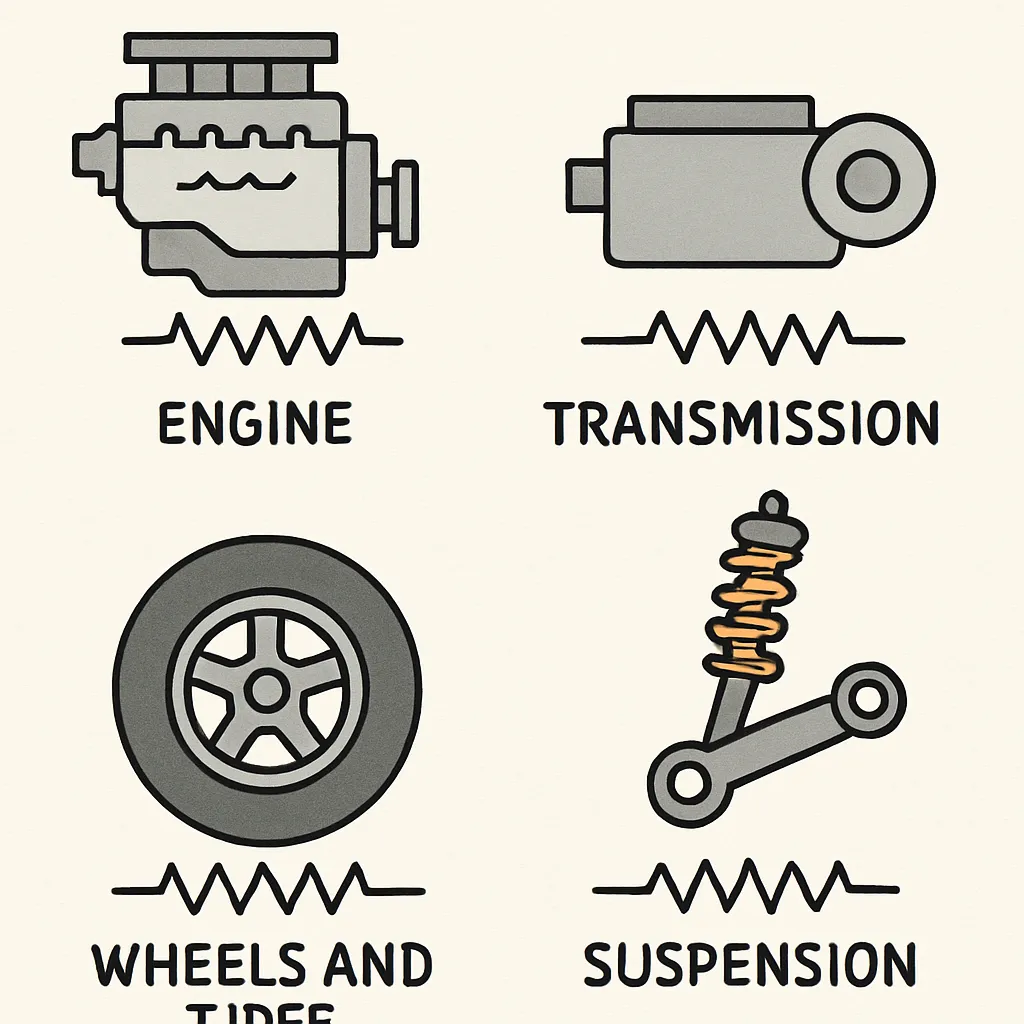
Common Causes of Car Vibrations During Acceleration
The sensation of a car vibrating while accelerating is unsettling and can signify underlying mechanical issues. These vibrations usually point to a problem in one or more of your car’s systems. Identifying the cause is crucial for timely repairs.
Several common causes contribute to these vibrations. Some of the primary reasons include:
- Tire and wheel issues
- Problems with suspension or steering
- Engine and transmission troubles
- Failures in the driveshaft, axle, or CV joints
- Concerns within the brake system
Tire and wheel problems often lead to unbalanced motion. Suspension and steering issues cause front-end shaking when accelerating. Engine and transmission troubles might be the reason your car vibrates during acceleration. Driveshaft and axle problems usually manifest as a wobble. Understanding these causes will help you diagnose and address the issue efficiently.
By addressing these problems promptly, you can prevent further complications and maintain a safe, smooth ride. Consulting a mechanic is always advisable if the cause is unclear or if DIY solutions fail to resolve the problem.
Tire and Wheel Issues
Unbalanced tires are a frequent cause of car shakes when pressing the gas. They contribute to vibrations and uneven tire wear. Ensuring your tires are properly balanced is key to a smooth ride.
Worn or damaged tires can also lead to vibrations. Regularly checking your tires for signs of wear or damage can prevent shaking during acceleration. Replace tires as needed to avoid this issue.
Alignment problems are another common cause of vehicle shakes when accelerating. Misaligned tires can lead to uneven wear and increase vibration. Regular alignment checks are necessary for optimal tire performance.
Key causes of tire-related vibrations include:
- Unbalanced tires
- Damaged or worn tires
- Misaligned tires
Addressing these issues can significantly reduce vibrations. Regular maintenance like tire rotations and alignments, can prevent many common causes of shaking.
Suspension and Steering Problems
Suspension and steering components play a vital role in vehicle stability. Worn out or damaged parts can make your car wobble when accelerating. This is especially true for older vehicles.
Key suspension issues leading to vibrations include:
- Worn shocks and struts
- Loose or damaged steering components
- Faulty suspension bushings
Worn shocks and struts can compromise vehicle control and comfort. Damaged steering components may cause the car to pull to one side during acceleration. Faulty bushings result in excessive play in the suspension.
Regular inspections can prevent these issues. Promptly replacing worn parts ensures a smoother, safer ride. Always consult a professional if you’re unsure about diagnosing or fixing suspension problems.
Engine and Transmission Troubles
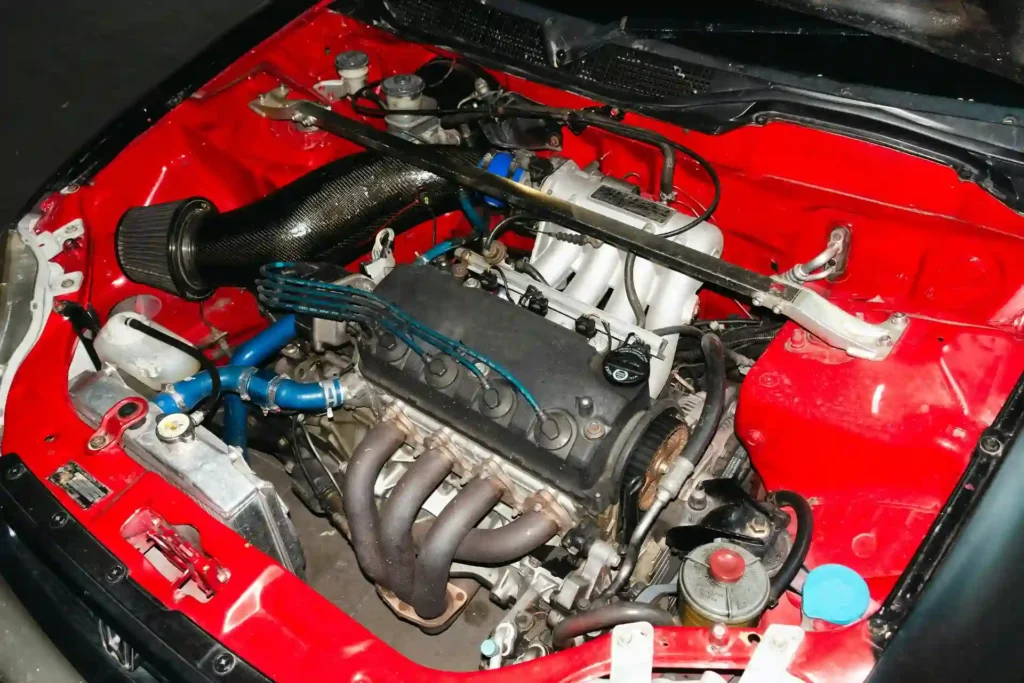
Engine and transmission problems can cause significant vibrations during acceleration. A misfiring engine or issues with the spark plugs can lead to a shuddering engine. Addressing these issues promptly is essential.
Transmission troubles like a failing torque converter, can result in vehicle vibration when accelerating. Identifying and repairing transmission problems can prevent further damage and costly repairs.
Some engine and transmission issues include:
- Misfiring engine
- Faulty spark plugs
- Failing torque converter
Symptoms like engine misfires or hesitations during acceleration can indicate these issues. Regular engine maintenance and timely repairs can prevent most engine-induced vibrations. Consult a mechanic for complex transmission problems or if DIY attempts don’t resolve the issue.
Driveshaft, Axle, and CV Joint Failures
The driveshaft, axles, and CV joints are pivotal for transferring power from the engine to the wheels. When these components fail, front end shaking when accelerating often results. Identifying the problem is critical for effective resolution.
Common failures include:
- Worn CV joints
- Bent axle
- Damaged driveshaft
Worn CV joints can produce clicking sounds during turns. A bent axle might cause a noticeable wobble, especially at high speeds. Inspecting these components regularly can prevent severe issues.
Addressing these failures promptly ensures vehicle stability. Professional repair services are recommended for diagnosing and fixing driveshaft and axle problems. This prevents further vehicle damage and ensures safe operation.
Brake System Concerns
Though not directly related to acceleration, brake issues can still cause vibrations. Warped rotors are a common culprit. They can lead to shaking while accelerating if they are engaged lightly or dragging.
Brake-related vibration causes include:
- Warped brake rotors
- Sticking brake calipers
Regular brake inspections help identify these problems. Resolving them promptly can prevent vibrations and improve vehicle safety. Proper maintenance of the brake system should not be overlooked.
How to Diagnose the Source of Vibration
Diagnosing the vibration when you accelerate involves a methodical approach. Start by identifying when and how the vibrations occur. This helps pinpoint the source of the problem.
One effective method is a test drive. Pay attention to specific conditions like speed or road surface. Note if the shaking happens only at high speeds or during acceleration. Documenting these details can assist in the diagnostic process.
Listening for unusual sounds is crucial. Clunking, rattling, or grinding may indicate trouble. Check for these while driving or during idle to narrow down the issue.
Steps for diagnosing vibration issues include:
- Conduct a test drive
- Observe when vibrations occur
- Listen for unusual noises
- Check vehicle components visuallyWorn CV joints can produce clicking sounds during turns. A bent axle might cause a noticeable wobble, especially at high speeds. Inspecting these components regularly can prevent severe issues.
Addressing these failures promptly ensures vehicle stability. Professional repair services are recommended for diagnosing and fixing driveshaft and axle problems. This prevents further vehicle damage and ensures safe operation.
Brake System Concerns
Though not directly related to acceleration, brake issues can still cause vibrations. Warped rotors are a common culprit. They can lead to shaking while accelerating if they are engaged lightly or dragging.
Brake-related vibration causes include:
- Warped brake rotors
- Sticking brake calipers
Regular brake inspections help identify these problems. Resolving them promptly can prevent vibrations and improve vehicle safety. Proper maintenance of the brake system should not be overlooked.
How to Diagnose the Source of Vibration
Diagnosing the vibration when you accelerate involves a methodical approach. Start by identifying when and how the vibrations occur. This helps pinpoint the source of the problem.
One effective method is a test drive. Pay attention to specific conditions like speed or road surface. Note if the shaking happens only at high speeds or during acceleration. Documenting these details can assist in the diagnostic process.
Listening for unusual sounds is crucial. Clunking, rattling, or grinding may indicate trouble. Check for these while driving or during idle to narrow down the issue.
Steps for diagnosing vibration issues include:
- Conduct a test drive
- Observe when vibrations occur
- Listen for unusual noises
- Check vehicle components visually
Worn CV joints can produce clicking sounds during turns. A bent axle might cause a noticeable wobble, especially at high speeds. Inspecting these components regularly can prevent severe issues.
Addressing these failures promptly ensures vehicle stability. Professional repair services are recommended for diagnosing and fixing driveshaft and axle problems. This prevents further vehicle damage and ensures safe operation.
Brake System Concerns
Though not directly related to acceleration, brake issues can still cause vibrations. Warped rotors are a common culprit. They can lead to shaking while accelerating if they are engaged lightly or dragging.
Brake-related vibration causes include:
- Warped brake rotors
- Sticking brake calipers
Regular brake inspections help identify these problems. Resolving them promptly can prevent vibrations and improve vehicle safety. Proper maintenance of the brake system should not be overlooked.
How to Diagnose the Source of Vibration
Diagnosing the vibration when you accelerate involves a methodical approach. Start by identifying when and how the vibrations occur. This helps pinpoint the source of the problem.
One effective method is a test drive. Pay attention to specific conditions like speed or road surface. Note if the shaking happens only at high speeds or during acceleration. Documenting these details can assist in the diagnostic process.
Listening for unusual sounds is crucial. Clunking, rattling, or grinding may indicate trouble. Check for these while driving or during idle to narrow down the issue.
Steps for diagnosing vibration issues include:
- Conduct a test drive
- Observe when vibrations occur
- Listen for unusual noises
- Check vehicle components visually
If the issue persists or if you’re unable to identify the cause, consult a professional mechanic. They have the expertise and tools to accurately diagnose and fix complex problems. This ensures your vehicle remains safe and reliable.
DIY Fixes for Shaking While Accelerating
Addressing vibration issues at home can be straightforward. Many causes have simple solutions. Start with the basics, like tire maintenance.
Properly balanced and inflated tires often solve the problem. Check for uneven tread or damage. Performing regular rotations can help maintain balance.
Inspect suspension components for wear. Replacing worn parts such as shocks or bushings can improve your ride. Also, verify that all nuts and bolts are secure on your wheels and undercarriage.
Quick DIY checks include:
- Balancing tires
- Inspecting suspension for wear
- Ensuring all bolts are tight
Prompt attention to simple fixes might prevent more serious issues later on.
When to See a Mechanic
While some vibration issues can be DIY fixes, others may require professional help. If the problem persists after basic checks, consult a mechanic.
Professional diagnostics can save time and prevent further damage. Consider expert help if:
- Unusual sounds accompany the vibrations
- DIY fixes haven’t resolved the issue
- The vibration worsens over time
Ignoring persistent vibrations can lead to costly repairs or safety risks. A mechanic has the tools and experience to identify complex problems, ensuring your car runs smoothly and safely.
Preventing Future Vibrations: Maintenance Tips
Regular maintenance can keep vibration issues at bay. Preventive care helps avoid costly repairs and ensures a smooth ride.
Routine inspections and timely fixes can enhance vehicle longevity. To prevent vibrations:
- Rotate and balance tires regularly
- Perform scheduled oil changes
- Inspect suspension components routinely
- Keep an eye on engine mounts
- Address any minor issues promptly
Adhering to these maintenance tips will protect your car’s performance and improve driving comfort. Staying proactive about vehicle care goes a long way in ensuring a steady ride.
Conclusion
Dealing with a car that vibrates while accelerating is crucial for vehicle performance and safety. Addressing these vibrations promptly helps prevent further damage and discomfort.
Understanding the causes and potential solutions empowers you to tackle these issues confidently. Regular maintenance and timely professional inspections can keep your ride smooth and reliable. Stay vigilant, and enjoy a vibration-free drive.

Hello, I’m Muhammad Awais, a Strategic SEO Specialist at Genius Agency.
My core mission is simple: to help client websites grow significantly and achieve genuine business success. I manage the full SEO process, which includes fixing technical problems, perfecting on-page content, and running high-quality link campaigns.
I enjoy solving tough ranking challenges. I use data from Google Analytics 4 and Search Console to ensure every strategy I build is based on facts and delivers solid, lasting results. My focus is on making your site a clear winner in search results.