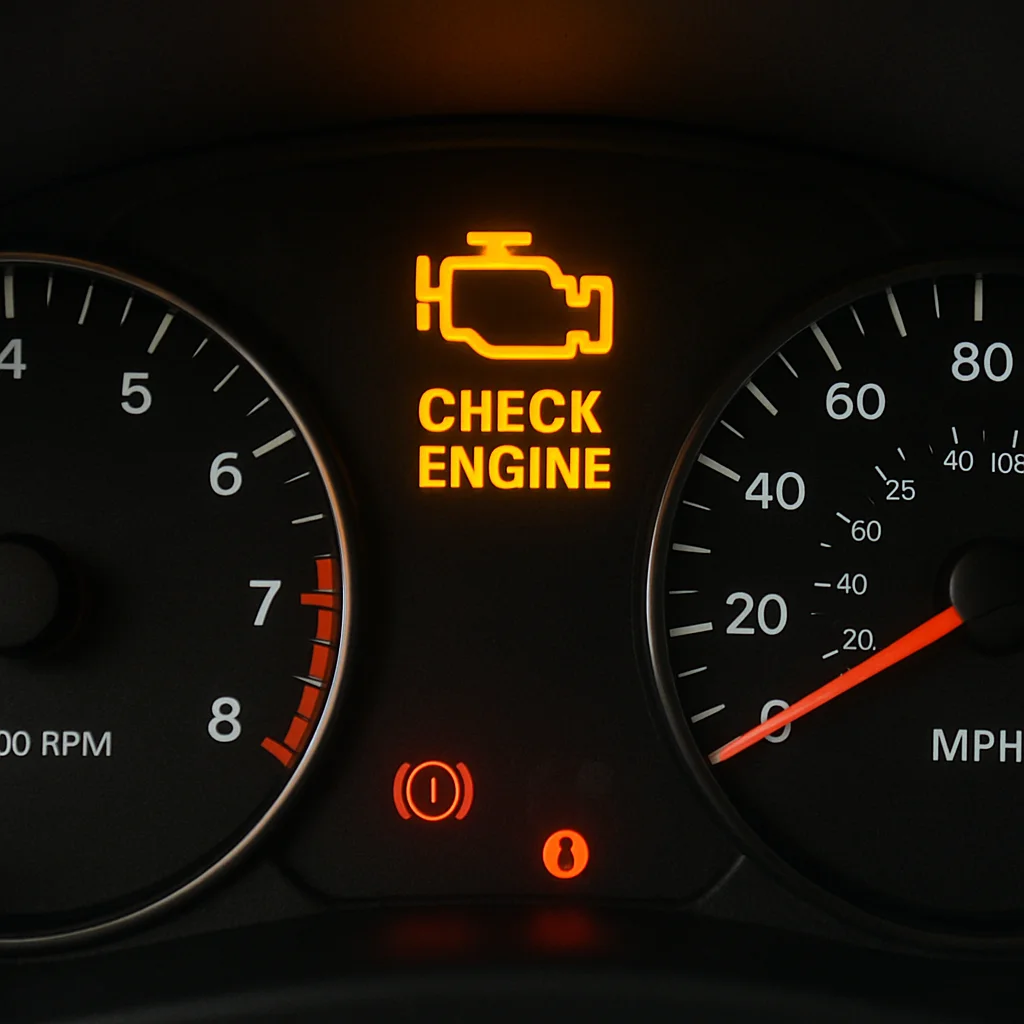
The check engine light is a common sight for many drivers. It can be alarming when it suddenly appears on your dashboard. This light is part of your vehicle’s warning system. It signals that something might be wrong with your car. Understanding these issues can save you time and money.
Ignoring the check engine light can lead to bigger problems. It’s crucial to address it promptly. This guide will help you understand common check engine light issues. You’ll learn about their causes and how to fix them. Stay informed and keep your vehicle running smoothly.
Understanding the Check Engine Light and Vehicle Warning Lights
The check engine light is just one of many vehicle warning lights. Each light signals a specific issue. Recognizing each one is essential for vehicle health. The check engine light can be yellow, orange, or red. This varies by vehicle make and model.
These lights are part of your onboard diagnostics system. They alert you to issues like engine problems or low oil pressure. Ignoring them can lead to extensive repairs.
Here’s what you should know about these lights:
- Check Engine Light: Indicates a potential engine issue or emissions problem.
- Oil Pressure Light: Alerts to low oil pressure, which can damage the engine.
- Battery Warning Light: Signals a problem with the vehicle’s charging system.
Understanding these lights helps you take quick action. Remember, it’s better to be cautious.
How the Onboard Diagnostics System Works
Your vehicle’s onboard diagnostics (OBD) system is crucial. It monitors engine performance and emissions. Introduced in the mid-1990s, it has been standard in most vehicles since then.
The system detects issues early. It identifies problems before they become severe. This early alert can prevent costly repairs.
Here’s how it functions:
- Sensors: They collect data on engine performance and emissions.
- Control Module: Analyzes data from sensors to spot irregularities.
- Warning Lights: Notifies the driver of detected issues via the dashboard.
Using an OBD-II scanner, you can read diagnostic trouble codes (DTCs). These codes pinpoint the exact issue.
What Are Diagnostic Trouble Codes (DTCs)?
Diagnostic Trouble Codes (DTCs) are vital to understanding car issues. They provide specific information about engine problems. The codes are stored in the vehicle’s computer system.
These codes help mechanics pinpoint issues quickly. Even car owners benefit from understanding DTCs. With the right tools, they can save time and money on repairs.
A typical DTC consists of five characters:
- One letter: Identifies the system affected (e.g., P for Powertrain).
- Four numbers: Provide details about the problem.
- Decimal point: Sometimes used for further specificity.
Top 10 Common Check Engine Light Issues
The check engine light can illuminate for various reasons. Some issues are straightforward, while others require detailed inspection. Understanding these problems helps address them promptly.
Here are ten common causes:
- Loose or Faulty Gas Cap
- Faulty Oxygen Sensor
- Malfunctioning Catalytic Converter
- Mass Airflow Sensor Problems
- Worn Spark Plugs or Ignition Coils
- Vacuum Leaks
- EGR Valve Issues
- Dead or Weak Battery
- Aftermarket Parts or Modifications
- Transmission or Fuel System Problems
Knowing these problems aids in vehicle maintenance. Let’s explore each cause further.
1. Loose or Faulty Gas Cap
A loose gas cap can trigger the check engine light. It may seem minor, but it affects fuel efficiency. Tightening the cap often resolves the issue.
2. Faulty Oxygen Sensor
The oxygen sensor measures oxygen in the exhaust. A faulty sensor impacts fuel economy. Replacing it promptly is crucial to avoid further issues.
3. Malfunctioning Catalytic Converter
A failing catalytic converter affects emissions and performance. It converts harmful gases into safe emissions. If it’s faulty, you’ll notice reduced engine power.
4. Mass Airflow Sensor Problems
Mass airflow sensors track air entering the engine. Faults here result in poor acceleration. This can lead to stalling or rough idling.
5. Worn Spark Plugs or Ignition Coils
Spark plugs ignite the fuel-air mixture, and ignition coils power them. When worn, they cause misfires. This results in reduced power and efficiency.
6. Vacuum Leaks
Vacuum leaks disrupt the air-fuel balance. These leaks cause rough idling and possibly stalling. Identifying leaks early can prevent more severe problems.
7. EGR Valve Issues
The EGR valve reduces nitrogen oxide emissions. If clogged, it may cause engine knocking. Cleaning or replacing it maintains engine performance.
8. Dead or Weak Battery
A weak battery affects many systems. It can trigger the check engine light unnecessarily. Testing the battery can confirm if it needs replacing.
9. Aftermarket Parts or Modifications
Aftermarket parts may not communicate well with the vehicle’s systems. This can trigger the check engine light. Ensure compatibility before installing new parts.
10. Transmission or Fuel System Problems
Transmission issues may affect the engine light status. Fuel system troubles, like a failing pump, also trigger the light. Both require professional attention to fix.
What To Do When Your Check Engine Light Comes On
Seeing the check engine light can be alarming. However, panicking doesn’t help. Here’s what you should do:
Firstly, check for simple solutions. Ensure the gas cap is secure. This quick fix might turn off the light.
If the light remains, it’s time to investigate further. Use an OBD-II scanner to read diagnostic trouble codes. This device reveals specific issues.
Drive cautiously if immediate repair isn’t possible. Avoid heavy loads or high-speed travel to prevent worsening the problem.
In summary, follow these steps:
- Check the gas cap.
- Use an OBD-II scanner.
- Drive carefully.
If the problem persists, it’s wise to seek professional help to avoid potential damage.
The Difference Between Steady and Flashing Check Engine Lights
The behavior of your check engine light can indicate the severity of the problem. A steady light usually points to less urgent issues. It’s a signal that something needs attention soon.
On the other hand, a flashing check engine light is a cause for immediate concern. It often indicates more severe problems like misfires, which can damage the catalytic converter.
Here’s a quick summary:
- Steady Light: Investigate soon, not urgent.
- Flashing Light: Immediate attention needed.
How to Read and Interpret Diagnostic Trouble Codes
Understanding diagnostic trouble codes (DTCs) is key to pinpointing vehicle issues. These codes are generated by your car’s onboard diagnostics system.
To read DTCs, you need an OBD-II scanner. Many auto parts stores offer free code-reading services using these scanners.
Once you have the codes, interpreting them is crucial. Each code consists of letters and numbers:
- P: Powertrain
- B: Body
- C: Chassis
- U: Network & undefined
When to Seek Professional Help
Sometimes, car issues aren’t easy for non-experts to solve. If your check engine light persists after home troubleshooting, seek professional help.
Complex problems, like those involving the catalytic converter or transmission, often need a mechanic’s touch. Delaying these repairs can cause serious engine damage and increase costs. Act promptly to avoid bigger problems.
Preventing Common Check Engine Light Issues
Prevention is key when it comes to managing vehicle warning lights. Regular maintenance can greatly reduce the chances of your check engine light activating unexpectedly.
Schedule periodic check-ups and follow your vehicle’s recommended service intervals. This attention ensures parts like spark plugs and air filters stay in top condition.
Additionally, pay attention to these preventative measures:
- Ensure your gas cap is tightly secured.
- Use quality fuel and oil.
- Monitor sensor readings regularly.
By staying proactive, you prevent many common check engine light issues and ensure a smooth driving experience.
Conclusion: Staying Ahead of Vehicle Warning Lights
Understanding common check engine light issues and how to address them keeps your vehicle running efficiently. Proactive maintenance and quick responses to warning lights can prevent costly repairs.
By using diagnostic tools and seeking professional help when needed, you can ensure your car’s longevity. Stay vigilant, and you’ll enjoy a safer, more reliable driving experience. Keeping ahead of vehicle warning lights is both a smart and necessary strategy.

Hello, I’m Muhammad Awais, a Strategic SEO Specialist at Genius Agency.
My core mission is simple: to help client websites grow significantly and achieve genuine business success. I manage the full SEO process, which includes fixing technical problems, perfecting on-page content, and running high-quality link campaigns.
I enjoy solving tough ranking challenges. I use data from Google Analytics 4 and Search Console to ensure every strategy I build is based on facts and delivers solid, lasting results. My focus is on making your site a clear winner in search results.