A leaking rear main seal can spell trouble for your vehicle. It’s a critical component that keeps engine oil from leaking. When it fails, it can lead to significant engine oil leaks. These leaks can cause a host of problems for your car. Recognizing the symptoms early can save you from costly repairs. Drivers often overlook these signs until it’s too late.
Common symptoms include oil spots under the vehicle and a burning oil smell. You might also notice an oil pressure drop or engine performance issues. Understanding these symptoms is crucial for maintaining your vehicle’s health. Stay informed and proactive to protect your engine from damage.
What Is a Rear Main Seal and Why Is It Important?
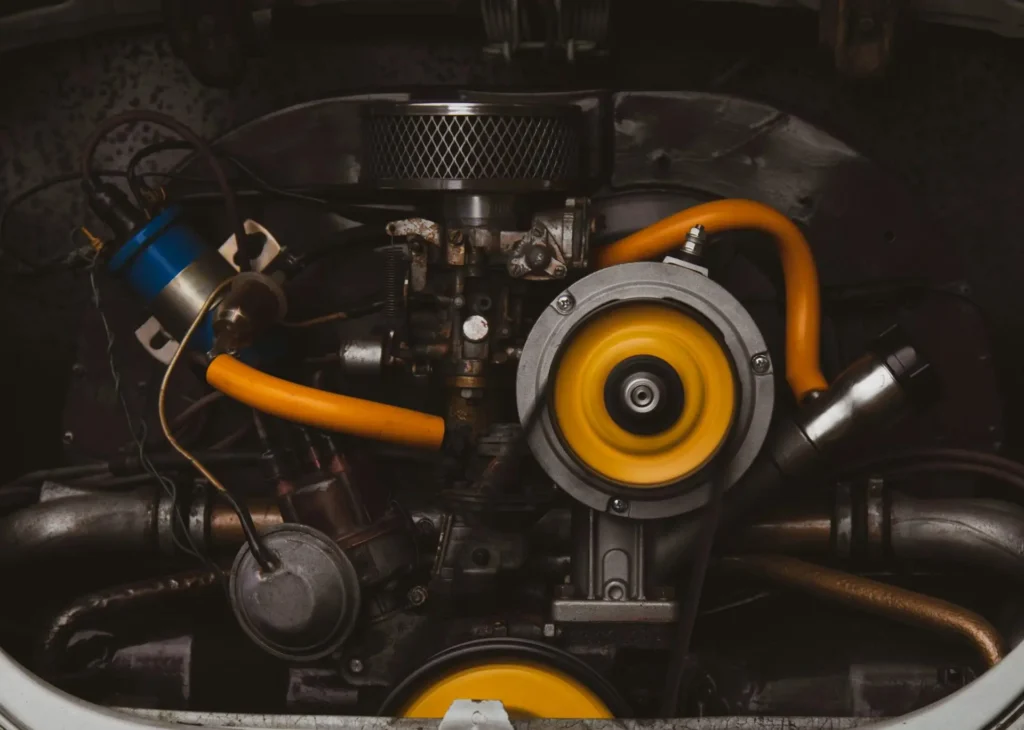
The rear main seal is a crucial part of an engine. It is located at the back of the engine where it seals the crankshaft. This seal prevents engine oil from leaking out.
The rear main seal serves an essential function. It maintains the oil inside the engine, ensuring proper lubrication of moving parts. Without it, oil can leak out and cause severe engine damage.
Several benefits come from having a fully functioning rear main seal:
- Maintains engine oil integrity
- Reduces the risk of oil leaks
- Ensures proper engine lubrication
A faulty rear main seal often leads to engine oil leaks. These leaks can result in various engine issues if not addressed promptly. Understanding its importance can help in maintaining engine performance and longevity. Regular inspection is key to preventing rear main seal problems.
Why Do Rear Main Seals Leak?
Rear main seals can leak for several reasons. One common cause is wear and tear over time. As vehicles age, the seals can become brittle or cracked. Poor engine maintenance also contributes to leaks. Infrequent oil changes and low oil levels can accelerate seal degradation. This happens because old oil loses its lubricating properties, leading to increased friction and wear.
Design flaws in certain vehicles can make them more prone to rear main seal leaks. Factors that might lead to a leak include:
- High mileage
- Extended exposure to extreme temperatures
- Use of low-quality engine oils
Driving habits can play a role too. Aggressive driving or towing heavy loads can place extra stress on seals. This stress increases the likelihood of leaks. Regular maintenance and using high-quality oils can mitigate these risks. Proper care can extend the life of your rear main seal.
Top 7 Leaking Rear Main Seal Symptoms
Detecting a leak early is crucial for engine health. Understanding the symptoms can save you from costly repairs. Here are the top signs:
- Visible oil spots under your vehicle
- Burning oil smell while driving
- Noticeable drop in oil pressure
- Engine performance issues
- Clutch slippage in manual transmissions
- Oil accumulation on the undercarriage
- Increased oil consumption
Recognizing these symptoms can help you take prompt action. Let’s explore each in detail.
1. Visible Oil Spots Under the Vehicle
Visible oil spots on your driveway or garage floor often point to a leak. The rear main seal might be the culprit if it’s located under the engine area.
These spots can vary in size, depending on the leak severity. Fresh leaks usually create larger pools, indicating significant oil loss. Ignoring these spots can lead to low oil levels and engine damage. Regularly check under your vehicle to catch leaks early.
2. Burning Oil Smell
A burning oil smell inside or outside your car can signal a leak. This smell occurs when oil drips onto hot engine parts. As the oil burns, it releases a distinct and unpleasant odor. This symptom can develop gradually or appear suddenly.
Ignoring this warning can lead to more severe engine issues. Pay attention to any unusual smells while driving.
3. Oil Pressure Drop
An unexpected drop in oil pressure is a serious symptom. The rear main seal might be leaking if you notice fluctuating oil pressure readings.
Low oil levels, due to leaks, often cause this issue. A consistent oil pressure drop indicates significant oil loss.
Monitor your oil pressure gauge regularly. Any unusual readings warrant further investigation by a professional.
4. Engine Performance Issues
Leaking oil can lead to engine performance issues. Reduced oil levels disrupt proper lubrication, impacting engine efficiency. Symptoms include decreased power, rough idling, or misfires. These issues arise from increased friction and heat within the engine.
Addressing leaks promptly helps maintain optimal engine performance. Keep an eye on any changes in your vehicle’s behavior.
5. Clutch Slippage (Manual Transmissions)
In manual transmission vehicles, a rear main seal leak can cause clutch slippage. Oil seeping onto the clutch can reduce its grip. Drivers may notice the clutch pedal feels softer or less responsive. This slippage can make it challenging to change gears smoothly.
Ignoring clutch issues can lead to further transmission damage. Seek professional assistance if you experience slippage.
6. Oil on Undercarriage or Bell Housing
Oil leaks from a rear main seal often accumulate on the undercarriage. This can lead to a greasy residue on or near the bell housing area. These signs indicate oil is escaping the engine. Regular visual inspections can help spot these symptoms early.
Oil pooling in these areas can exacerbate other issues. Prompt action can prevent further complications and ensure vehicle reliability.
7. Increased Oil Consumption
A leaking rear main seal can result in increased oil consumption. You may find yourself topping off oil more frequently than usual. This increase suggests the engine is losing oil faster than normal. Maintaining proper oil levels becomes more challenging over time.
Increased consumption is a clear indicator of an underlying issue. Regularly monitor your oil levels to catch such problems before they escalate.
How to Confirm a Rear Main Seal Leak
Confirming a rear main seal leak requires a careful approach. Start by inspecting your engine for telltale signs of leaks or oil sprays. A visual check can reveal oil accumulation in the bell housing area. However, this alone may not be conclusive.
For a more accurate diagnosis, use engine leak detection tools. These can include UV dye tests or specialized leak detectors.
- Observe for oil spray patterns
- Utilize UV dye to pinpoint leaks
- Employ professional diagnostic tools
Consider seeking professional assistance to ensure accuracy. Trained technicians can perform thorough inspections and tests. Addressing leaks promptly can prevent severe damage. Prompt confirmation allows for faster repairs and reduced risk to your engine.
Risks of Ignoring Rear Main Seal Leaks
Ignoring a rear main seal leak can escalate into severe complications. Oil leaks can lead to engine damage if left unaddressed. Persistent leaks can result in environmental harm due to oil spillage. This can worsen the issue further over time.
Prolonged exposure to insufficient oil can also impact vehicle efficiency. Engine performance issues might arise, increasing repair costs.
The risks include:
- Permanent engine damage
- Increased repair expenses
- Environmental concerns from oil spills
Neglecting these symptoms can also lead to vehicle breakdowns. Acting promptly can prevent these costly and harmful consequences.
Preventing Rear Main Seal Leaks: Maintenance Tips
Preventing leaks is easier than repairing engine issues. Regular maintenance prolongs the life of your rear main seal. Consistent oil changes ensure seals remain lubricated. This can prevent wear and tear that leads to leaks.
Consider these maintenance tips:
- Use high-quality engine oil
- Regularly check oil levels
- Schedule routine engine inspections
Maintaining good vehicle habits can prevent costly repairs. Regular checks and quality oil can make all the difference.
By prioritizing upkeep, you mitigate risks. This helps keep your vehicle in peak condition and avoids unexpected breakdowns.
When to Seek Professional Help
If you notice persistent oil leak symptoms, consulting a professional is wise. DIY repairs can be complex and risky.
A professional can diagnose the issue thoroughly and ensure repairs are accurate. This approach saves time, stress, and potentially costly mistakes. Don’t hesitate to seek expert advice when symptoms arise. Early action can prevent major engine damage.
Conclusion: Stay Proactive and Protect Your Engine
Recognizing leaking rear main seal symptoms early can save your vehicle from severe damage. Regular maintenance and vigilance are key to catching oil leak symptoms before they escalate.
Timely repairs and inspections not only protect your engine but also ensure better vehicle performance and longevity. By staying proactive, you can avoid costly repairs and enjoy a smoother, more reliable driving experience. Keep an eye on signs and act swiftly to maintain your engine’s health.

Hello, I’m Muhammad Awais, a Strategic SEO Specialist at Genius Agency.
My core mission is simple: to help client websites grow significantly and achieve genuine business success. I manage the full SEO process, which includes fixing technical problems, perfecting on-page content, and running high-quality link campaigns.
I enjoy solving tough ranking challenges. I use data from Google Analytics 4 and Search Console to ensure every strategy I build is based on facts and delivers solid, lasting results. My focus is on making your site a clear winner in search results.