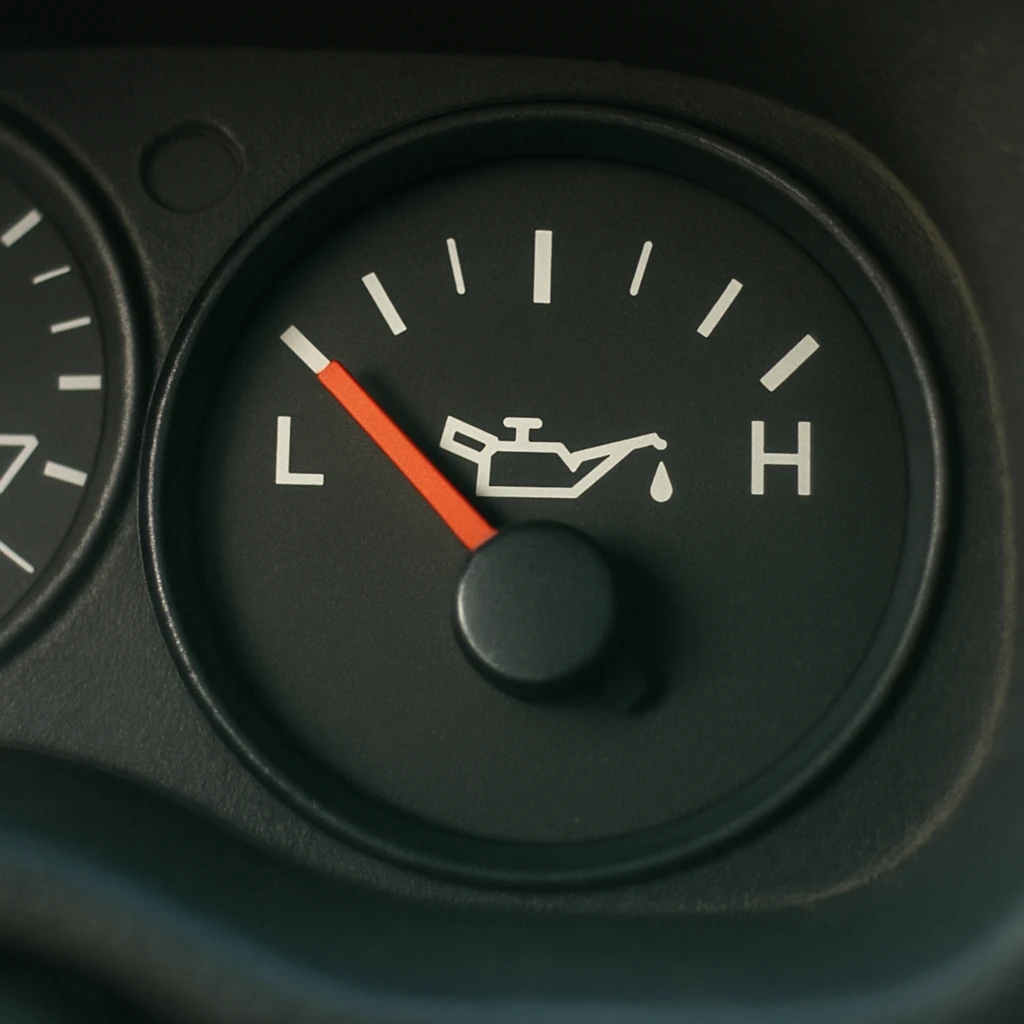
The oil gauge on your dash is more than just a simple indicator. It plays a crucial role in monitoring your engine’s health. When the oil gauge fluctuates, it can be a sign of underlying issues. These fluctuations might seem minor, but they shouldn’t be ignored.
Understanding the oil gauge on dash meaning is essential for every car owner. It helps in preventing potential engine damage. A steady oil gauge reading is vital for optimal engine performance. Fluctuations can indicate problems like low oil levels or faulty sensors. Ignoring these signs can lead to costly repairs. Regular maintenance and checks can prevent these issues.
In this guide, we’ll explore common causes of oil gauge fluctuations. We’ll also provide solutions to keep your engine running smoothly. Stay informed and keep your vehicle in top condition by understanding your oil gauge dashboard.
Table of Contents
ToggleWhat Is the Oil Gauge on the Dash?
The oil gauge on the dash is an essential instrument in your vehicle. It monitors the engine’s oil pressure and provides real-time updates. Understanding this gauge is crucial for maintaining your engine’s health. Without it, you might miss signs of potential problems.
Primarily, the oil gauge helps in diagnosing issues related to oil pressure. It ensures that the engine receives adequate lubrication for smooth operation.
Here are some key components of the oil gauge system:
- Oil Pressure Sensor: Detects the oil pressure and sends signals to the gauge.
- Oil Pump: Circulates oil through the engine.
- Oil Can Gauge: Visual representation of oil status.
A malfunctioning gauge can lead to inaccurate readings, risking engine damage. It’s vital to ensure the gauge works correctly. Regular checks and maintenance help in preventing gauge-related issues. Stay proactive by understanding what the oil gauge indicates and how it functions in your vehicle.
Oil Gauge on Dash Meaning: What Does It Indicate?
The oil gauge on dash meaning is centered around oil pressure. A steady reading indicates healthy engine conditions and adequate lubrication. This stability ensures the engine components move efficiently.
When the gauge fluctuates, it suggests potential issues that need attention. Rapid changes might point to an oil pressure drop or other mechanical problems.
Common indicators of a fluctuating oil gauge include:
- Low oil levels: The engine might be running low on oil.
- Sensor issues: Faulty sensors can cause misreadings.
- Oil pump failure: Can lead to inadequate oil circulation.
Understanding these indications is key to preventing damage. Paying close attention to the oil gauge on dash helps maintain engine health. If the oil gauge reads erratically, it’s vital to address the issue promptly. Proper gauge interpretation is essential for safe vehicle operation. Regular maintenance can often prevent sudden gauge fluctuations.
Common Reasons Why the Oil Gauge Fluctuates
Fluctuations in the oil gauge can be nerve-wracking for car owners. This instability often signals underlying problems that require prompt action. Understanding these causes can help prevent severe engine damage.
One primary cause is low oil levels. Insufficient oil leads to pressure drops, affecting the gauge’s stability. In addition, a faulty oil pressure sensor can give false readings, making it seem like there is an issue when there isn’t one.
Problems with the oil pump can also cause these fluctuations. A malfunctioning pump won’t circulate oil effectively, leading to pressure changes that reflect on the gauge. Electrical or wiring issues might disrupt communication between the sensor and the dashboard, causing erratic gauge behavior.
Engine wear and internal leaks are also culprits. Worn parts or leaks can result in inconsistent oil flow and pressure. Recognizing these common reasons can help in diagnosing the issue early.
Here are the common causes summarized:
- Low oil levels
- Faulty oil pressure sensor
- Oil pump issues
- Electrical or wiring problems
- Engine wear and internal leaks
Addressing these issues can ensure your engine stays healthy and prevents costly repairs.
Low Oil Level or Oil Level Warning
The oil level plays a critical role in engine health. An oil level warning typically indicates that the oil is dangerously low. This condition can cause the oil gauge on the dash to fluctuate wildly.
Insufficient oil means there’s not enough lubrication for the engine components. This not only affects performance but might lead to overheating. Additionally, low oil levels can cause the oil pressure to drop, which the gauge reflects.
Steps to manage low oil levels include:
- Regularly checking the oil level
- Refilling with appropriate oil
- Monitoring the dashboard for alerts
Consistent monitoring can help avoid this common and simple-to-fix problem.
Faulty Oil Pressure Sensor or Sending Unit
A faulty oil pressure sensor can wreak havoc with your gauge readings. The sensor monitors engine oil pressure and relays it to the dashboard. A malfunctioning sensor may send inaccurate data, causing the gauge to fluctuate erratically.
One reason for sensor failure is general wear over time. Exposure to harsh engine conditions can also play a role. When the sensor malfunctions, the dashboard may show different readings at random intervals.
Signs of a faulty sensor include:
- Erratic gauge readings
- Dashboard warning lights
- Inconsistent oil pressure alerts
Replacing a faulty sensor promptly can stabilize the gauge and prevent unnecessary stress.
Oil Pump Problems
The oil pump is vital for circulating oil through the engine. If it malfunctions, oil pressure can drop or fluctuate, which reflects on the gauge. An effective oil pump maintains consistent oil flow, ensuring optimal engine performance.
Symptoms of a faulty oil pump include unexpected drops in oil pressure. This condition can lead to inadequate lubrication, causing more significant engine problems over time. In extreme cases, engine damage could occur due to insufficient oil circulation.
Common signs of oil pump issues:
- Unusual noises from the engine
- Fluctuating oil gauge readings
- Dashboard oil warnings
Addressing oil pump issues early keeps the oil gauge readings stable and the engine in good health.
Electrical or Wiring Issues
Electrical problems might appear insignificant, yet they heavily affect oil gauge functionality. The gauge relies on signals transmitted via wiring from the sensor. Faults in the wiring can disrupt these signals, causing erratic gauge behavior.
Corrosion, wear, or loose connections are common causes of these issues. They might result in false gauge readings or cause the gauge to stop working altogether. It’s important to address electrical issues swiftly to prevent sensor failure.
Signs indicating wiring issues include:
- Fluctuating gauge readings
- Dashboard lights flickering
- Unstable oil pressure indications
Regular inspections and timely repairs can correct these anomalies.
Engine Wear and Internal Leaks
Over time, engine components wear out, affecting oil circulation. This wear can result in internal leaks, causing a drop in oil pressure. Subsequently, the oil gauge may show inconsistent readings due to varying pressure.
Worn engines may also suffer from decreased efficiency, leading to higher oil consumption. Internal leaks further exacerbate this problem, draining oil reserves more quickly. These issues impact both gauge stability and engine longevity.
Indications of engine wear and internal leaks:
- Consistent drop in oil levels
- Frequent need for oil refills
- Persistent gauge fluctuations
Early detection and maintenance can prevent these issues from escalating.
How to Read the Oil Gauge Dashboard Correctly
Understanding your oil gauge dashboard is crucial for maintaining engine health. It reflects the engine’s oil pressure, a vital indicator of its well-being. A steady gauge reading suggests normal pressure, whereas fluctuations might indicate underlying issues.
To accurately read the oil gauge, familiarize yourself with the car’s manual. It explains what each part of the dashboard signifies. Regular monitoring helps you notice unusual readings quickly.
When you observe anomalies, it’s essential to assess the situation calmly. Check for other warning lights or alerts on your dashboard. These might provide additional insights into the problem.
Helpful tips for reading the dashboard include:
- Know your normal gauge range
- Look for related dashboard lights
- Understand the gauge’s calibration
Consistent and accurate reading of the oil gauge ensures early detection of issues, helping you keep engine troubles at bay.
What to Do If Your Oil Gauge Reading Is Unstable
An unstable oil gauge reading can be alarming. However, it’s important to remain calm and address the issue methodically. First, safely pull over and turn off the engine. Check the oil level using the dipstick. If it’s low, topping up might stabilize the reading temporarily. However, if it’s not low, more inspection may be necessary.
Consider the following steps to manage an unstable oil gauge reading:
- Inspect for oil leaks under the car.
- Listen for unusual engine noises.
- Check for any error codes using a diagnostic tool.
If the oil level is fine and there are no apparent leaks, a faulty sensor might be the cause. It’s wise to have a professional mechanic evaluate the vehicle to diagnose the issue accurately.
Regular maintenance and keeping an eye on the gauge’s behavior can help prevent future problems. Remember, taking prompt action protects your engine from damage.
Oil Warning Signals and Dashboard Oil Lights: What to Watch For
Dashboard oil lights are crucial alerts for potential engine trouble. They serve as early warnings to safeguard against severe damage. When these lights appear, it’s imperative not to ignore them.
Different symbols may appear on the dash, each with its specific meaning. Understanding what these symbols represent can prevent costly repairs. Pay attention to the oil can icon or a flashing oil gauge.
Common oil warning signals to watch for include:
- A steady dashboard oil light.
- A flashing oil pressure alert.
- An oil level warning light.
These indicators often signal low oil levels or pressure issues. Always respond promptly to avoid further engine complications. Checking the engine’s oil system can resolve minor problems before they escalate. Regularly consult your vehicle’s manual for guidance on interpreting these signals.
Preventing Oil Gauge Issues: Maintenance Tips
Regular maintenance is key to avoiding oil gauge problems. A well-cared-for engine ensures consistent gauge readings. This means keeping an eye on several vital aspects of the vehicle.
Start by scheduling regular oil changes. Fresh oil maintains optimal pressure and prevents gauge fluctuations. Additionally, using the right oil type is crucial for your car’s needs. Always refer to your vehicle’s manual for the recommended grade.
Regular inspection of the oil level and system prevents major issues. Simple checks can avoid breakdowns and costly repairs. Consider following these maintenance practices:
- Inspect oil levels weekly.
- Change oil according to the vehicle’s schedule.
- Check for any leaks around the engine.
Routine maintenance prolongs engine life and ensures your oil gauge functions accurately. Always consult a professional mechanic if you’re uncertain about any procedure.
When to Seek Professional Help
Sometimes oil gauge issues require expert attention. Persistent fluctuations can suggest deeper engine problems. If basic troubleshooting doesn’t resolve the issue, it might be time to consult a professional.
Mechanics can diagnose complex problems that aren’t apparent to the average car owner. Seeking professional help can prevent further damage. Consider a visit to your mechanic if:
- The oil gauge continues to fluctuate.
- You hear unusual noises from the engine.
- The dashboard oil lights remain on despite basic fixes.
Prompt professional intervention can save your engine and your wallet from expensive repairs. Don’t hesitate to seek help when your car needs it.
Frequently Asked Questions About Oil Gauges on Dash
What does the oil gauge on the dash monitor?
The oil gauge monitors the engine’s oil pressure. It helps you keep track of your engine’s lubrication health.
Why does my oil gauge fluctuate?
Fluctuations can be due to low oil levels, sensor issues, or a faulty oil pump. Electrical problems might also cause fluctuations.
Is it safe to drive with a fluctuating oil gauge?
It’s risky to drive if the oil gauge isn’t stable. Address the issue promptly to avoid engine damage.
How often should I check the oil gauge?
Regular checks are advisable. Do a quick inspection before long drives for optimal safety.
Can ignoring an oil warning signal damage my engine?
Yes, ignoring the oil gauge or warning signals could lead to costly engine repairs. Always pay attention to dashboard alerts for your engine’s longevity.
Conclusion: Keep Your Engine Safe by Watching the Oil Gauge
Consistently monitoring the oil gauge on your dash can prevent major engine issues. This simple act of vigilance helps protect your vehicle’s performance and prolong its life. Pay attention to any fluctuations or irregular readings. These could be early warning signs of underlying engine problems that need immediate attention.
Regular maintenance and prompt responses to oil warning signals can save you from costly repairs. By keeping an eye on your engine oil gauge, you ensure your vehicle runs smoothly and safely for years to come.