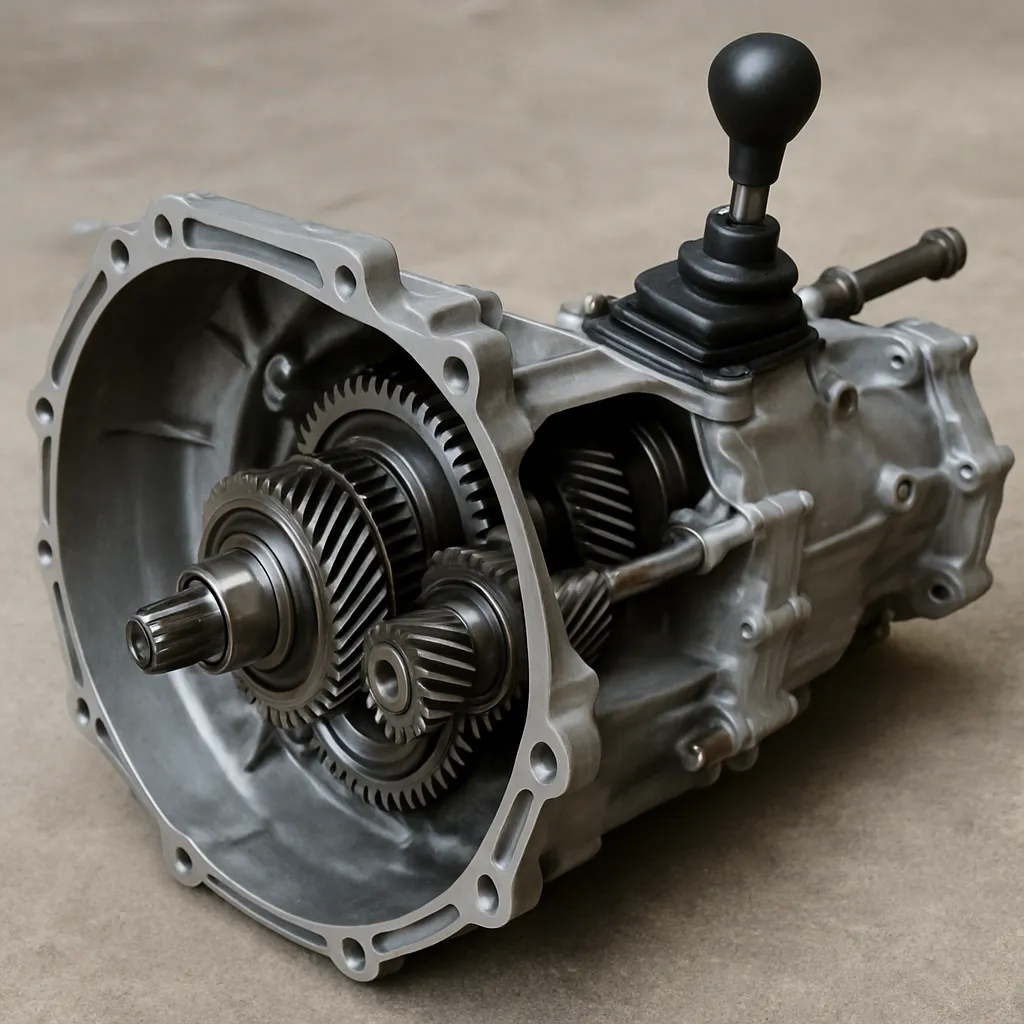
A car’s transmission is crucial for smooth driving. It transfers power from the engine to the wheels. When it fails, the vehicle’s performance suffers. Recognizing the symptoms of a bad transmission is vital. Early detection can prevent costly repairs. Transmission problems can manifest in various ways.
You might notice delayed or rough shifting. Unusual noises like grinding or whining are common warning signs. Leaking transmission fluid is another clear indicator. A burning smell could mean overheating issues. Slipping gears can affect your car’s performance. Dashboard warning lights often signal transmission trouble.
Ignoring these signs can lead to severe vehicle transmission problems. Understanding these symptoms helps in timely repairs. This guide will explore the ten common symptoms of a bad transmission. Stay informed to keep your vehicle running smoothly.
Table of Contents
ToggleWhy Transmission Health Matters
Transmission health is essential for vehicle reliability. A faulty transmission can lead to numerous problems, impacting performance and safety. Unchecked issues may result in sudden breakdowns, leaving you stranded.
Repairing a bad transmission can be expensive. Early detection of transmission problems can save significant repair costs. Regular maintenance helps avoid severe issues and ensures smoother operation.
Ignoring transmission symptoms can reduce fuel efficiency. Over time, this can increase wear on other vehicle parts. By keeping an eye on the following issues, you can maintain your car’s longevity:
- Delayed or rough shifting
- Unusual noises
- Leaking fluid
- Burning smell
- Slipping gears
Checking your car regularly reduces stress and costs. Emphasizing transmission health keeps your vehicle efficient and dependable. Remember, a healthy transmission means a healthier car.
1. Delayed or Rough Shifting
Experiencing a delay when your car shifts gears can be frustrating. It often indicates an underlying issue with your transmission. This problem may initially seem minor, but it can escalate if ignored.
Rough shifting can manifest as a jerking motion or a harsh sound. It affects both automatic and manual transmissions. The wear and tear on components due to rough shifting can become costly over time.
Several factors may cause delayed or rough shifting. Insufficient transmission fluid is a common reason. Other culprits include a bad transmission solenoid or a worn clutch in manual cars.
Be mindful of these signs when you experience shifting issues:
- Delays in gear engagement
- Jerking or jumping during shifts
- Unusual noise when shifting
Addressing these symptoms promptly helps prevent further damage. Regular checks and timely servicing can ensure your transmission stays in top condition. Remember, smooth shifts signify a healthy transmission.
2. Unusual Noises: Grinding, Whining, or Clunking
Strange noises from your car can be worrying, especially when they involve the transmission. Grinding, whining, or clunking sounds often signal a faulty transmission. Listening closely can help identify potential problems early.
Grinding noises typically occur when gears aren’t meshing well. This can happen due to worn bearings or a damaged synchronizer. These sounds should never be ignored, as they can lead to severe transmission issues.
Whining sounds are usually associated with fluid problems. It might indicate low transmission fluid levels or fluid contamination. Regularly checking and replenishing fluids can prevent further complications.
Be aware of these transmission-related noises:
- Grinding when shifting gears
- Whining during acceleration
- Clunking when changing gears
These sounds can become prominent in the presence of transmission damage. Take noises seriously, as they often precede more severe problems. Addressing them quickly can prolong the life of your transmission and maintain smooth vehicle operation.
3. Leaking Transmission Fluid
A transmission fluid leak is a clear indication of transmission trouble. Fluid leaks can lead to severe transmission damage if not addressed promptly. Regularly checking under your vehicle for any fluid spots or pools can help catch leaks early.
Transmission fluid typically has a bright red or dark red appearance. If you notice such fluids on your driveway or garage floor, it’s time to investigate. Leaking fluid is a warning sign that your transmission might not be getting enough lubrication.
Key signs of a fluid leak:
- Red or dark patches beneath your car
- Low fluid levels upon checking
- Difficulty in shifting gears
Ignoring transmission fluid leaks can lead to overheating and potential failure. Ensure to address these leaks quickly to prevent costly repairs and maintain optimal vehicle performance. Regular maintenance checks can keep your transmission healthy and leak-free.
4. Burning Smell
A burning smell from your car could signal transmission problems. Overheating transmission fluid often causes this pungent odor. Such fluid is crucial for lubrication and cooling within the transmission.
Running low on transmission fluid can exacerbate this issue, leading to friction and damage. This smell might also indicate issues with transmission components themselves. Catching this early can prevent further damage and costly repairs.
Keep an eye out for these related signs:
- Unusual burning odors when driving
- Transmission shifting issues
- Higher temperature readings on the dashboard
Addressing this warning sign promptly is crucial. A burning smell can quickly escalate into larger vehicle transmission problems. Regular fluid checks and maintenance can help keep your transmission in good condition.
5. Slipping Gears
Slipping gears can significantly affect your car’s performance and safety. This issue occurs when the transmission unexpectedly shifts gears. It often results in a sudden change in engine power or speed.
Such unpredictable behavior usually indicates a faulty transmission. Gear slipping can arise from several causes, including worn-out transmission parts. Additionally, inadequate transmission fluid levels can exacerbate this problem.
Signs that you might be dealing with slipping gears include:
- Sudden engine revving
- Lack of acceleration despite pressing the gas pedal
- Strange noises during gear shifts
Address this symptom quickly to avoid further vehicle transmission problems. A slipping transmission can lead to more severe damage if not resolved promptly. Always have your car inspected by a professional when you notice such bad transmission signs.
6. Warning Lights and Dashboard Alerts
Dashboard alerts are crucial for understanding your car’s health. Modern vehicles come with sensors that detect a range of problems, including transmission issues. A common warning is the illuminated “Check Engine” light.
This light can signal several car transmission issues. Although not always transmission-related, it should never be ignored. A diagnostic test will clarify whether your transmission is the culprit.
Common dashboard warnings that might indicate transmission problems include:
- Check Engine light
- Transmission temperature warning
- Service vehicle soon light
If any of these lights appear, consider them as warning signs of trouble. Ignoring them can lead to more significant issues down the road. Regularly checking and addressing dashboard alerts can save you from costly repairs. Always consult a professional for a thorough examination to prevent further vehicle transmission problems.
7. Difficulty Shifting Gears or No Response
One of the most alarming symptoms of a bad transmission is difficulty shifting gears. If your vehicle seems hesitant or refuses to switch gears, this may indicate a faulty transmission. Ignoring these transmission symptoms can lead to dangerous driving conditions.
In some cases, the gear stick may feel stuck or unresponsive altogether. This can stem from mechanical issues or problems with the transmission range sensor. The latter is crucial for providing the correct gear position to your vehicle’s computer.
Look out for these signs of trouble:
- Hard shifting
- Gear stick resistance
- Total lack of response
These symptoms of a bad transmission range sensor or faulty transmission components need immediate attention. Delaying repairs can worsen vehicle transmission problems and increase repair costs. Visiting a mechanic promptly can prevent further damage and keep your vehicle running smoothly.
8. Vibrations or Shaking While Driving
Experiencing vibrations or shaking while driving could point to serious transmission problems. This can happen due to symptoms of a bad transmission mount. The mount stabilizes the transmission and engine, so a faulty one can create noticeable vibrations.
When driving, if you notice shaking upon acceleration or at certain speeds, it’s a warning sign. This could mean the transmission mounts are worn out or misaligned. Regular maintenance can help identify this issue early.
Key indicators include:
- Excessive vibration or shaking
- Rattling or clunking noises
- Shaking at specific speeds
Addressing these issues promptly can prevent further damage. Ignoring them could lead to more costly vehicle transmission problems down the line. Always consult a professional if you experience these signs to ensure your vehicle’s safety and reliability.
9. Unusual Behavior in Neutral or Park
If your vehicle acts strangely in neutral or park, it might signal transmission issues. Unfamiliar noises or movements while idle are key indicators. These symptoms could be early signs of bad transmission issues.
Vehicles should remain still and silent when in neutral or park. However, if they produce abnormal sounds or seem to struggle, these could be bad transmission signs. Such behavior often points to internal issues that may worsen.
Watch for:
- Unusual noises while in neutral
- Unsteady behavior or vibrations
- The car moves when in park
Identifying these problems early can prevent more serious transmission failure symptoms. Such symptoms often indicate deeper concerns needing professional attention, preserving both safety and vehicle performance. Addressing them promptly helps safeguard against costly repairs.
10. Transmission-Specific Symptoms: CVT, Manual, and Solenoid Issues
Various transmission types exhibit unique symptoms when problems arise. CVT transmissions, known for smooth acceleration, can jolt or surge when defective. Erratic behavior disrupts the driving experience, pointing to potential issues within the system.
Manual transmissions have specific warning signs. A dragging clutch is a common symptom, affecting gear transitions. You might also notice grinding sounds, indicating possible internal damage or component wear.
Transmission solenoids, crucial for shifting gears, can also fail. Malfunctioning solenoids might cause unpredictable or erratic gear changes. These symptoms can severely affect performance and safety.
Be mindful of the following:
- Surging or jerking in CVT transmissions
- Grinding or dragging the clutch in manuals
- Erratic shifting indicates solenoid failure
Addressing these specific issues early is essential to maintaining your vehicle’s health. Recognizing these symptoms can prevent further damage and ensure smoother operation, extending the lifespan of your transmission system.
What to Do If You Notice These Symptoms
If you notice symptoms of a bad transmission, prompt action is crucial. Ignoring signs can lead to further deterioration and costly repairs. Assess the situation carefully and consider consulting a professional mechanic.
Attempting DIY fixes without the proper knowledge can cause more harm than good. A certified technician can accurately diagnose and address the specific problems at hand. Scheduling a complete transmission inspection is advisable.
Here’s what you can do:
- Monitor any warning signs closely
- Take note of unusual noises or behaviors
- Schedule a professional diagnostic test
Early detection saves you money and stress down the road. Properly addressing the issue prevents further damage and ensures your vehicle’s reliability. Make maintenance and timely repairs a priority to keep your car running smoothly.
Preventing Transmission Problems: Maintenance Tips
Regular maintenance is key to avoiding transmission issues. Consistent care can extend your transmission’s lifespan and prevent unnecessary breakdowns. An informed approach ensures your vehicle operates smoothly.
Focus on these preventive measures:
- Check transmission fluid levels regularly
- Replace the fluid according to the manufacturer’s guidelines
- Watch for leaks and address them promptly
Avoid aggressive driving, which can put undue stress on the transmission. Be mindful of changes in driving behavior that could indicate underlying issues. Routine inspections by a trained mechanic will catch problems before they become severe.
Scheduling regular check-ups keeps components in peak condition. Preventive care not only saves money but also maintains safety and performance. Stay alert to signs of wear and address them swiftly to protect your investment.
Conclusion: Early Detection Saves Money and Stress
Being proactive about transmission health is crucial. Recognizing the symptoms of a bad transmission early can prevent costly repairs. Ignoring signs only worsens the problem and can lead to significant vehicle transmission problems.
Addressing transmission symptoms promptly keeps your vehicle reliable. It ensures better performance and prevents unexpected breakdowns. Regular maintenance, combined with vigilance, reduces the risk of serious vehicle transmission problems.
Ultimately, early detection empowers you. It allows for informed decisions and timely repairs, reducing stress. By spotting bad transmission signs early, you save money and enhance your vehicle’s lifespan, making car ownership more enjoyable.