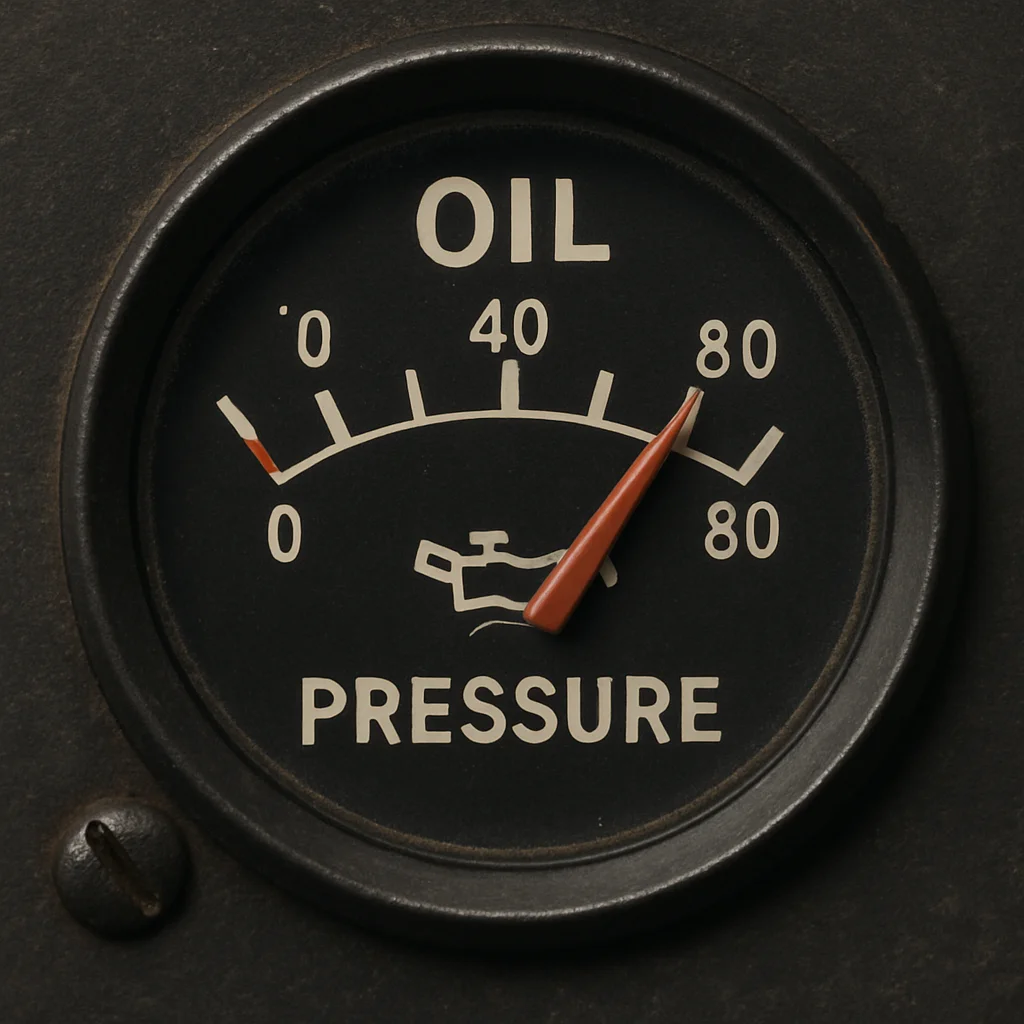
Oil pressure is vital for engine health. It ensures that all moving parts are well-lubricated. A drop in oil pressure can signal trouble. It might lead to severe engine damage if ignored. Understanding what causes oil pressure to drop is crucial. It helps in preventing costly repairs.
Common causes include low oil levels and worn-out components. Each cause requires specific attention and action. This guide will explore the causes of oil pressure drop. It will also provide troubleshooting tips and maintenance advice. Stay informed to keep your engine running smoothly. Address oil pressure issues promptly to avoid long-term damage.
Understanding Engine Oil Pressure
Engine oil pressure is crucial for vehicle performance. It circulates oil to parts where lubrication is needed. When oil pressure is optimal, it protects the engine from wear. It keeps internal components moving smoothly. Several factors influence engine oil pressure. These include oil type, engine temperature, and engine speed.
Key aspects of engine oil pressure include:
- Maintaining adequate lubrication
- Ensuring no excessive wear and tear
- Preventing engine overheating
Regular checks of oil pressure can prevent many issues. Early detection of problems is always beneficial. Keep in mind that oil pressure differs by vehicle make and model. Refer to your vehicle’s manual for specific information. Knowing these details aids in timely identification of potential problems.
Key Oil Pressure Drop Causes
Understanding what causes oil pressure drops is essential for vehicle maintenance. Identifying these causes helps prevent engine damage. Several elements can lead to oil pressure issues. They vary from low oil levels to mechanical failures.
Recognizing these causes allows for timely troubleshooting. It ensures your vehicle’s engine remains in top condition.
Low Oil Level
Low oil levels are a primary cause of pressure drops. Without sufficient oil, the pump cannot maintain proper pressure. This situation can lead to severe engine wear. Frequent checks of oil levels are crucial to avoid issues.
Incorrect Oil Viscosity
Using the wrong oil viscosity can impact pressure. High or low viscosity oils affect flow through the system. Manufacturers specify the correct oil grade. Following these guidelines ensures optimal pressure and protection.
Worn Engine Bearings
Worn engine bearings increase clearances within the engine. This wears down oil pressure, causing engine strain. Regular maintenance can prevent excessive wear on bearings. This prolongs the engine’s life and efficiency.
Clogged or Dirty Oil Filter
A clogged oil filter restricts oil flow. This results in a significant decrease in oil pressure. Regularly replacing the oil filter prevents clogs. It ensures consistent oil circulation for engine health.
Faulty Oil Pump
A faulty oil pump cannot circulate oil effectively. This leads to reduced pressure, affecting engine lubrication. Replacing a malfunctioning pump restores pressure levels. It also protects the engine from potential damage.
Defective Oil Pressure Sensor
A defective oil pressure sensor gives inaccurate readings. This can cause unnecessary concern about pressure drops. Replacing a faulty sensor restores accurate monitoring. It ensures reliable information about engine health.
Oil Leaks and Oil Passage Blockages
Oil leaks lead to pressure drops due to the loss of oil. Common causes include defective seals or gaskets. Passage blockages restrict oil flow, causing pressure to fall. These need immediate attention to prevent damage.
Key considerations include:
- Inspecting for external oil leaks
- Checking for blockages within oil passages
Oil Pressure Drop in Different Driving Conditions
Oil pressure can behave differently under various driving scenarios. These changes might indicate specific issues. Understanding these fluctuations helps diagnose problems early. Different conditions can mask or reveal potential faults.
Maintaining stable oil pressure is crucial for engine performance. Knowing how driving affects oil pressure ensures the vehicle runs smoothly.
Oil Pressure Drop at Idle
When idling, low RPMs can reduce oil flow. This may cause oil pressure to drop noticeably. This issue often points to underlying mechanical problems. Failing oil pumps or insufficient oil levels could be the culprits.
Oil Pressure Drop When Accelerating
During acceleration, oil can move away from the pickup tube. This movement disrupts oil pressure temporarily. This effect is more pronounced in vehicles with aggressive driving habits. It’s vital to ensure proper lubrication during speed changes.
Oil Pressure Drop After Engine Warms Up
As the engine warms, oil viscosity decreases. This reduction can lead to a drop in oil pressure. It’s crucial to use oil with suitable viscosity for your vehicle. Doing so maintains pressure under varying temperature conditions.
Oil Pressure Symptoms and Warning Signs
Recognizing symptoms of low oil pressure early can prevent severe engine damage. Different indicators will alert you to potential issues. Common warning signs include unusual engine noises or knocking sounds. These noises suggest inadequate lubrication within the engine.
Oil pressure warning lights on the dashboard should never be ignored. They signal problems requiring immediate attention.
Common Symptoms of Low Oil Pressure:
- Unusual knocking or ticking sounds
- Oil pressure warning light illumination
- Reduced engine performance
- Overheating of the engine
Paying attention to these symptoms can prevent costly repairs. Addressing oil pressure issues promptly keeps your engine healthy and running smoothly.
Oil Pressure Troubleshooting: Step-by-Step Guide
Troubleshooting oil pressure issues requires a systematic approach. Begin by checking the oil level and quality. Low oil levels often contribute to pressure drops and can easily be resolved by topping up the oil to the recommended level. Next, inspect the oil filter for clogs or debris. A dirty oil filter can hinder oil flow, leading to low pressure. Replace the filter if necessary. This simple act can restore optimal oil circulation in your engine.
Test the oil pressure sensor for faults. A defective sensor may provide false readings. Use a mechanical gauge to verify the sensor’s accuracy. This ensures that the data you are receiving is reliable.
Oil Pressure Troubleshooting Steps:
- Check oil level and quality.
- Inspect and replace the oil filter if needed.
- Test the oil pressure sensor for accuracy.
- Examine the oil pump for wear and tear.
If these steps do not resolve the issue, consult a professional mechanic. They have the tools and expertise to diagnose more complex problems. Prompt attention to oil pressure issues can prevent engine damage and extend the life of your vehicle.
Preventing Oil Pressure Issues: Maintenance Tips
Regular maintenance is key to preventing oil pressure problems. Begin by scheduling consistent oil changes, as fresh oil helps maintain optimal pressure. Clean oil reduces the risk of clogs and ensures smooth engine operation. Choose the correct oil viscosity for your vehicle. Using the recommended viscosity enhances engine performance and safeguards against pressure drops. Always consult your vehicle’s manual for the proper specifications.
Frequently inspect for oil leaks and repair them immediately. Leaks can lead to significant pressure drops and engine damage if left unaddressed. Keep an eye on the ground where you park for signs of oil spots.
Maintenance Tips for Preventing Oil Pressure Issues:
- Schedule regular oil changes.
- Use the recommended oil viscosity.
- Check for and fix oil leaks promptly.
Proactive maintenance not only prevents oil pressure issues but also extends your engine’s life. Stay vigilant to keep your vehicle running smoothly.
When to Seek Professional Help
If you notice persistent low oil pressure, it’s time to consult a professional. Ignoring this issue can lead to severe engine damage and expensive repairs. When warning lights persist or unusual engine noises occur, don’t hesitate. A skilled mechanic can diagnose and resolve the underlying problems efficiently.
Conclusion: Protecting Your Engine from Oil Pressure Loss
Maintaining proper oil pressure is crucial for engine health. Regular checks and timely maintenance can prevent potential problems. Use high-quality oil and replace filters routinely. By addressing issues promptly and understanding the causes of oil pressure drop, you’ll extend your engine’s life. Keep your vehicle reliable and safe by staying proactive.

Hello, I’m Muhammad Awais, a Strategic SEO Specialist at Genius Agency.
My core mission is simple: to help client websites grow significantly and achieve genuine business success. I manage the full SEO process, which includes fixing technical problems, perfecting on-page content, and running high-quality link campaigns.
I enjoy solving tough ranking challenges. I use data from Google Analytics 4 and Search Console to ensure every strategy I build is based on facts and delivers solid, lasting results. My focus is on making your site a clear winner in search results.