
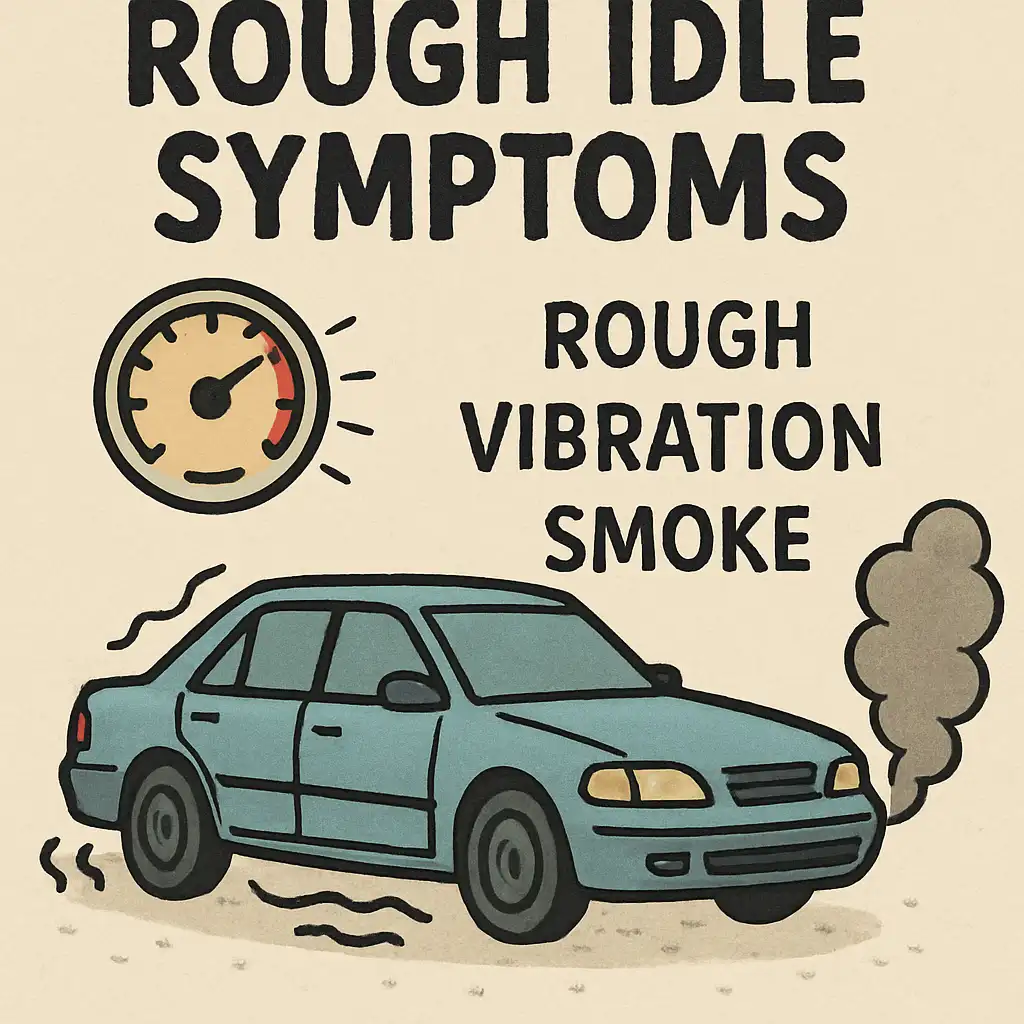
Is your car shaking when it’s idling? This can be a frustrating experience for any driver. A smooth idle is crucial for a comfortable ride. But when your car shakes, it signals a problem. Why does my car shake at idle is a common question, and understanding the causes is important. It helps in diagnosing the issue early. There are many reasons for a car to shake at idle. Engine problems, transmission issues, or faulty mounts are common culprits.
Rough idle symptoms can vary. You might feel vibrations in the steering wheel or seat. Sometimes, the check engine light might come on. This can indicate a more serious issue. Ignoring these symptoms can lead to bigger problems. Addressing them promptly ensures a smoother driving experience.
In this guide, we’ll explore the causes and solutions for a car shaking at idle.
Understanding Rough Idle Symptoms
When your car is idling roughly, you might feel various symptoms. These symptoms can help identify the root cause. Common signs include vibrations in the steering wheel and seat. Sometimes, the entire vehicle vibrates noticeably.
In some cases, you may also observe fluctuating idle speed. Listening for unusual noises can also be revealing.
Here’s a quick list of rough idle symptoms to watch for:
- Vibrations or shaking in the car
- Fluctuating idle RPMs
- Unusual engine noises
- The check engine light comes on
Identifying these symptoms early can prevent further issues. Timely maintenance can restore your vehicle’s smooth operation.
Addressing rough idling quickly is key. It ensures your car runs efficiently and safely.
Common Causes of a Car Shake at Idle
A car shaking at idle can be alarming. Several factors may contribute to this unsettling sensation. Often, the problem lies within the engine or related components.
Misfiring engines, faulty sensors, or clogged parts can disrupt smooth idling. Identifying the root cause is crucial for effective solutions.
Ignoring these issues may lead to larger, costly repairs. Timely diagnosis and addressing each cause can restore the vehicle’s seamless performance. If you’ve ever asked yourself, “Why does my car shake at idle?”, the following sections cover the most likely reasons.
Worn or Faulty Spark Plugs
Spark plugs play a vital role in engine performance. When they are worn or faulty, misfires are common. This can cause your car to shake noticeably at idle.
Symptoms of problematic spark plugs include starting trouble and poor acceleration. Additionally, fuel efficiency might decrease.
Regular inspection and replacement can prevent these issues. Here’s what to look for:
- Engine misfires
- Poor fuel economy
- Difficulty starting the engine
Replacing spark plugs can smooth out idling problems. Proper maintenance ensures optimal engine function.
Dirty or Clogged Fuel Injectors
Fuel injectors must be clean for proper fuel delivery. Clogged injectors disrupt the engine’s operation, causing vibrations.
Symptoms include rough idling and poor fuel efficiency. You might also notice reduced engine power.
Ensuring clean injectors can prevent these issues:
- Unstable engine performance
- Decreased fuel efficiency
- Loss of power
Routine cleaning helps maintain a steady idle. Professional services or injector cleaners can resolve such problems.
Malfunctioning Mass Airflow Sensor
The mass airflow sensor regulates air intake for combustion. If faulty, it can disturb the fuel-air mix, leading to rough idling. Symptoms often include poor gas mileage and hesitation. Notably, the check engine light may illuminate.
Regular sensor checks can prevent airflow issues. Addressing these concerns aids in smoother engine operations.
Vacuum Leaks
Vacuum leaks can upset the air-fuel ratio. This imbalance is a common cause of idle shaking. Leaks can occur in hoses or gaskets and may cause a high-pitched whistling sound.
Detecting leaks can be tricky, but necessary:
- Listen for unusual sounds
- Inspect hoses for damage
Fixing leaks promptly ensures proper engine performance.
Clogged or Dirty Air Filter
An air filter blocks dirt from entering the engine. When clogged, it restricts airflow, leading to an uneven idle. Common symptoms are reduced throttle response and decreased power. Routine maintenance can prevent such issues.
Replacing or cleaning the air filter restores airflow, smoothing out the idle.
Faulty Idle Air Control Valve
The idle air control valve adjusts idle speed. If faulty, your car may shake noticeably at idle. Symptoms include irregular idling and stalling. Proper function is crucial for stable idling.
Signs of a faulty valve:
- Erratic engine idle
- Frequent stalling
- Check engine light appears
Replacing the faulty valve can resolve idle issues effectively.
Engine Misfire and Check Engine Light
An engine misfire disrupts the combustion cycle, leading to vibrations. This is often accompanied by a check engine light. Misfires can result from spark plug or fuel issues. Resolving them promptly is crucial for engine health.
Indicators of engine misfire:
- Rough idling
- Loss of power
- Illuminated check engine light
Addressing misfires ensures smooth and safe driving.
Defective Engine or Transmission Mounts
Mounts secure the engine and transmission in place. Defective mounts fail to absorb vibrations, causing noticeable shaking. Symptoms often include increased cabin noise and visible engine movement. Regular inspection of mounts is vital.
Common signs of faulty mounts:
- Unusual vibrations
- Increased cabin noise
- Shaking intensified during acceleration
Replacing defective mounts reduces vibrations. Correct alignment restores stability.
Fuel System Issues (Pump, Filter)
A failing fuel pump or clogged filter can hinder fuel flow, leading to idling problems. These components are vital for consistent engine performance.
Symptoms include sputtering and difficulty starting. Regular checks ensure a functioning fuel system. Proper maintenance of fuel systems ensures optimal engine health. Swift attention to issues prevents larger troubles.
Oxygen Sensor and Emissions Problems
Oxygen sensors monitor emissions and adjust fuel efficiency. A malfunctioning sensor can cause rough idling and increased fuel use.
Keeping an eye on fuel efficiency helps detect potential sensor issues. Notably, such problems may not trigger a check engine light. Timely replacement of faulty sensors ensures optimal emissions control. Addressing these problems aids in maintaining engine performance.
Less Common Causes of Shaking at Idle
While most idle shaking is due to common issues, less frequent causes can also play a role. These may not immediately come to mind, but are worth considering when diagnosing the problem.
Less common culprits can include:
- Worn timing belt
- Electrical problems with the ignition coil
- Damaged harmonic balancer
These factors might be tricky to pinpoint without professional help. Unusual problems may not present clear symptoms, making thorough inspection essential. Addressing these less obvious causes can ensure a smooth idling experience.
Car Shakes When Idle and Accelerating: What’s Different?
When your car shakes both when idle and accelerating, it signals broader issues. These problems might be more complex, potentially requiring a comprehensive inspection.
Several factors may lead to shaking in both situations:
- Imbalanced tires
- Worn drive shafts
- Transmission troubles
Unlike idle-only shaking, dual-state vibrations suggest issues affecting the whole drivetrain. Addressing them early can prevent further damage. Remember, consistent vibrations shouldn’t be ignored, as they could worsen over time, affecting your car’s performance and safety.
Car Shakes When Stopped at Light but Smooths Out While Driving
Experiencing shaking when stopped at a light, but not when driving, often points to idle control issues. The problem usually lies in the idle air control valve or a related component.
Here are potential culprits:
- Faulty idle air control valve
- Minor vacuum leaks
- Inconsistent fuel-air mixture
These conditions affect the vehicle when idling, disappearing when normal driving resumes. Identifying the cause early can help prevent long-term damage and maintain your car’s performance. Regular checks ensure a smoother idling and driving experience.
Diagnosing the Cause: Step-by-Step Guide
To determine why your car shakes at idle, a systematic approach is vital. Start by observing when the shaking occurs. Note if it happens only at idle or while accelerating.
Next, inspect the engine visually. Check for disconnected hoses or obvious signs of wear. If you have access to diagnostic tools, use them to read any error codes from your car’s computer.
Here’s a basic checklist to follow:
- Listen for unusual sounds
- Feel for vibrations
- Check for dashboard warning lights
- Inspect the engine bay
Finally, if these steps don’t reveal the issue, it’s best to consult a professional. A mechanic can conduct advanced diagnostics, ensuring your vehicle returns to its smooth operation. Being proactive helps prevent costly repairs and prolongs your car’s life.
What to Do If There’s No Check Engine Light
If your car shakes at idle but the check engine light remains off, don’t ignore the issue. Begin by performing a basic inspection. Check components such as the spark plugs and air filter for signs of wear or dirt.
If the shaking persists, focus on simple maintenance tasks. These might include:
- Changing spark plugs
- Cleaning or replacing air filters
- Inspecting fuel system components
Without warning lights as a guide, rely on your observations and regular servicing. Addressing minor issues promptly helps prevent larger, more costly problems in the future. If uncertainty persists, consulting a professional mechanic remains the best course of action.
When to See a Mechanic
Not all car shaking problems can be resolved at home. It’s crucial to know when to seek professional help. Persistent shaking despite basic checks indicates a need for expert intervention.
Consider visiting a mechanic if you notice:
- Consistent engine misfires
- Unusual noise accompanying the shaking
- Worsening vibration patterns over time
A trained mechanic can utilize diagnostic tools and expert knowledge to swiftly identify and resolve underlying issues, ensuring your vehicle’s safety and performance.
Preventing Idle Shaking: Maintenance Tips
Regular maintenance is key to preventing your car from shaking at idle. Simple practices can make a huge difference in vehicle performance.
Routine checks and replacements can help maintain a smooth idle. Consider these tips:
- Change spark plugs every 30,000 miles
- Clean fuel injectors periodically
- Replace air filters annually
Performing these tasks can lead to more consistent engine performance and prevent idle shaking. Staying on top of maintenance not only ensures smoother driving but also helps avoid costly repairs down the road. Proper upkeep can extend your vehicle’s lifespan significantly.
Key Takeaways and Final Thoughts
Understanding why your car shakes at idle is crucial for maintaining your vehicle. Different issues, such as engine misfires or faulty mounts, might be the cause. Regularly scheduled maintenance can prevent many of these problems.
Here are the key points to remember:
- Identify symptoms early to prevent further damage
- Routine checks and maintenance reduce the risk of shaking
- Consult a mechanic if unsure about the cause
Tackling idle shaking issues promptly ensures a smoother, safer driving experience and protects your investment in your vehicle. By staying informed, you’ll be better equipped to address potential problems effectively.

Hello, I’m Muhammad Awais, a Strategic SEO Specialist at Genius Agency.
My core mission is simple: to help client websites grow significantly and achieve genuine business success. I manage the full SEO process, which includes fixing technical problems, perfecting on-page content, and running high-quality link campaigns.
I enjoy solving tough ranking challenges. I use data from Google Analytics 4 and Search Console to ensure every strategy I build is based on facts and delivers solid, lasting results. My focus is on making your site a clear winner in search results.