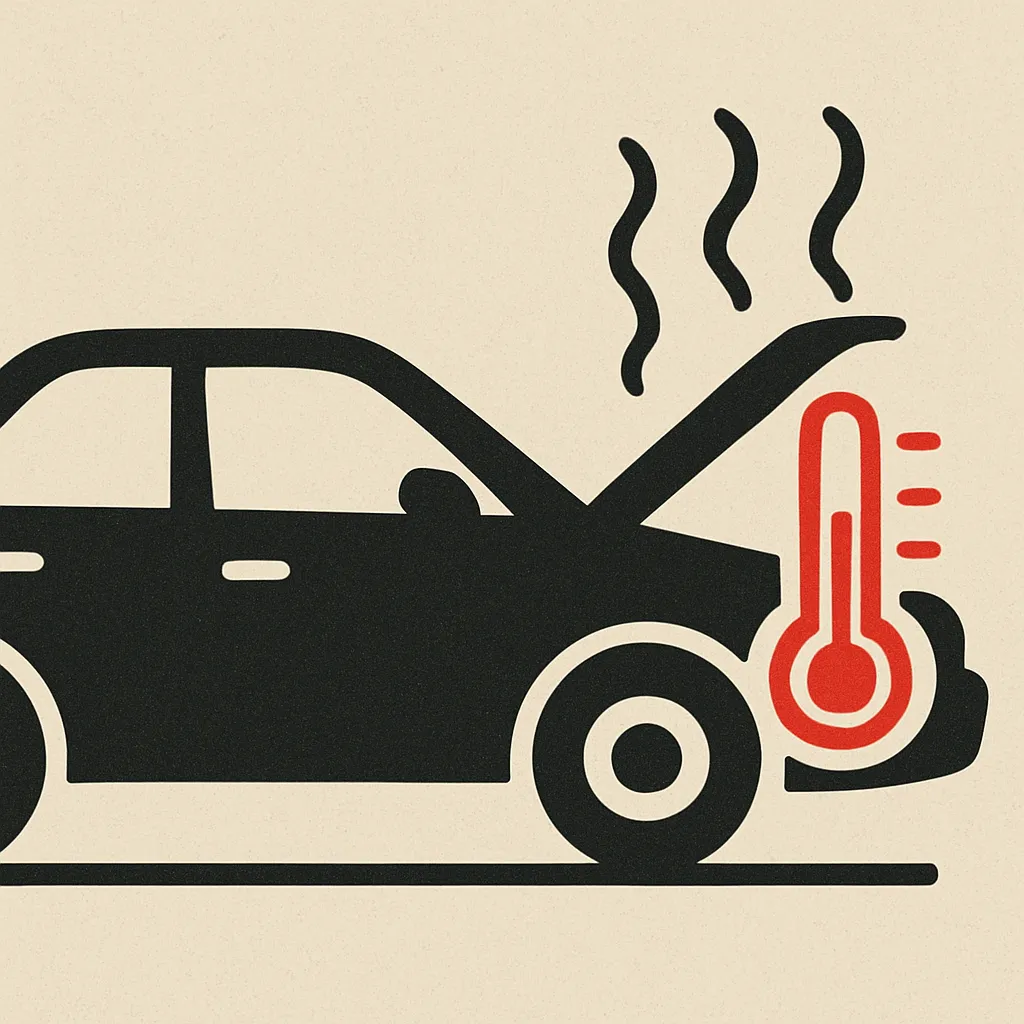
Is your car overheating after an oil change? An oil change itself normally should not make an engine run hot. However, if your engine temperature rises right after service, something may be wrong with the oil level, oil type, filter, cooling system, or another component. In some cases, the timing is coincidental and the real problem is a cooling-system fault that happened at the same time.
Quick answer: Old or degraded oil can contribute to excessive engine heat, but it is not the most common cause of overheating. A car that is already low on oil can also run hotter because engine lubrication is reduced. However, a healthy oil change will not fix a cooling-system problem such as low coolant, a failed thermostat, radiator restriction, water-pump failure, or a cooling-fan problem.
If your temperature gauge is climbing into the hot zone, you see steam, or an overheating warning appears, pull over safely and shut the engine off. Let it cool before checking fluids, and do not remove a hot radiator or coolant-system cap.
Table of Contents
ToggleCan an Oil Change Cause a Car to Overheat?
Can an oil change cause overheating? Usually, no. Replacing the engine oil should help the engine operate properly. If the car starts running hot immediately afterward, check for a service-related issue first, but do not assume the oil change is automatically responsible.
Possible service-related problems include an incorrect oil level, the wrong oil specification, an incorrectly installed oil filter, or an oil leak. At the same time, the overheating may have a completely separate cause, such as a cooling fan, thermostat, radiator, coolant leak, or water pump that was already beginning to fail.
The important point is timing: car overheating after an oil change does not prove that the oil change caused the overheating. A proper diagnosis should identify the source of the excess heat before parts are replaced.
Why Is My Car Running Hot After an Oil Change?
A car running hot after an oil change deserves attention, but the service is not automatically the cause. First, verify the oil level and specification. Then consider the cooling system, because coolant circulation and airflow are critical to keeping engine temperature under control.
Oil Problems vs. Cooling-System Problems
| What you notice | What it may point to |
|---|---|
| Oil level is very low | Insufficient lubrication and possible oil leak |
| Fresh oil is leaking after service | Filter, drain plug, seal, or another leak |
| Temperature rises with low coolant | Coolant leak or cooling-system problem |
| Engine overheats while idling | Cooling fan or airflow problem is possible |
| Overheats while driving | Thermostat, water pump, radiator, coolant, or other fault is possible |
This comparison is only a starting point. Because several faults can produce similar symptoms, a proper inspection is the safest way to identify the cause. For more detail, read our guide to common causes of car overheating.
Because an oil change is routine maintenance, overheating afterward can be confusing. However, the timing alone does not prove the service caused the problem. The key is to check the oil and cooling system before assuming the cause. If you are comparing service options, you can also review our guide to oil change costs in Sugar Land.
Common Causes of Engine Overheating After an Oil Change
When the engine is overheating after an oil change, check both the lubrication system and the cooling system. Oil helps reduce friction and carries heat away from engine parts. However, coolant, the radiator, thermostat, water pump, and cooling fans do most of the work of controlling engine temperature.
1. Low Engine Oil Level
If the engine does not have enough oil, moving parts may not receive proper lubrication. That added friction can increase heat and, in severe cases, lead to engine damage. Therefore, check the oil level on level ground after the engine has cooled, following the owner’s manual.
2. Too Much Oil
More oil is not always better. An overfilled engine can cause problems, including aeration of the oil and increased crankcase pressure. If the oil level is above the manufacturer’s recommended range after service, have it corrected.
3. Wrong Oil Specification
Modern engines often require a specific oil viscosity and performance specification. Using the wrong product can affect lubrication and engine operation. Always use the specification listed by the vehicle manufacturer.
4. Oil Filter or Oil Leak
An improperly installed filter, damaged seal, or loose drain plug can allow oil to leak. If you notice fresh oil under the vehicle or the oil level keeps dropping, stop driving if the leak is significant and arrange an inspection.
5. Low Coolant or a Coolant Leak
Coolant carries heat away from the engine. A low coolant level or leak can therefore cause the temperature to rise even when the oil level is correct. Look for visible coolant leaks only after the vehicle has cooled, and never open a hot cooling-system cap.
6. Thermostat, Water Pump, Radiator, or Cooling Fan Problem
These components control coolant flow and heat transfer. A stuck thermostat, failing water pump, restricted radiator, or cooling fan that does not turn on can all cause overheating. In that situation, an oil change will not fix the overheating.
These problems are worth checking, but not every overheating event after an oil change is caused by the oil service. Cooling-system faults can develop independently and may become noticeable at the same time.
Can Old Oil Cause Overheating?
Can old oil cause overheating? It can contribute to higher engine temperatures, especially when the oil is degraded, contaminated, or no longer providing the lubrication the engine needs. However, old oil by itself is not usually the first thing to blame when a temperature gauge suddenly reaches the hot zone.
Oil helps reduce friction and carries heat away from internal engine parts. As oil ages, its protective properties can decline. Still, severe overheating is more often connected to the cooling system, a low fluid level, a thermostat problem, a water pump, a radiator issue, or a cooling fan that is not operating correctly.
Can Bad Oil Cause Overheating?
Can bad oil cause overheating? Yes, in some situations. Bad, contaminated, incorrect, or badly degraded oil can increase friction and reduce lubrication. Oil that is badly contaminated can also indicate another engine problem. If the engine is overheating, though, do not assume changing the oil alone will solve it.
Wrong Oil Type or Incorrect Oil Level
Choosing the wrong oil type can affect engine performance. Different engines require specific oil grades and specifications.
An incorrect oil level can also cause trouble. Too little oil reduces lubrication, while too much oil can create its own problems. Always verify the oil specification and level against the vehicle manufacturer’s requirements.
Consideration factors:
- Use manufacturer-recommended oil
- Verify oil levels regularly
Oil Filter Problems
The oil filter removes contaminants from engine oil. A damaged or incorrectly installed filter can cause an oil leak or other lubrication problem. If overheating begins right after service, have the filter, drain plug, oil level, and oil specification checked.
Cooling-System Air or Other Cooling Problems
Air trapped in a cooling system can interfere with coolant circulation. A coolant leak, thermostat fault, water-pump problem, restricted radiator, or cooling-fan issue can also raise engine temperature. These problems require diagnosis beyond a routine oil change.
Symptoms of an Overheating Car After an Oil Change
Recognizing the symptoms of a car running hot after oil change is crucial. These signs allow you to take prompt action to prevent further damage.
The first indication might be a rising temperature gauge on your dashboard. This crucial warning sign should never be ignored.
Other noticeable symptoms include steam emerging from under the hood and a burning smell. These signs suggest that the engine is too hot and needs immediate attention.
Here are key symptoms to watch for:
- Rising temperature gauge
- Steam from the hood
- Burning odor
If you detect any of these symptoms, it’s essential to safely pull over and allow the engine to cool down.
What to Do If Your Car Overheats After an Oil Change
If your car is overheating after an oil change, treat the temperature warning seriously. Do not keep driving just to see whether the gauge comes back down.
Immediate Safety Checklist
- Pull over safely: Stop somewhere away from traffic as soon as it is safe.
- Turn the engine off: Continuing to drive while severely overheated can cause major engine damage.
- Let it cool: Never open a hot radiator or coolant-system cap because pressurized coolant can cause serious burns.
- Look for obvious leaks after cooling: Check the ground for coolant or oil, but do not touch hot components.
- Arrange an inspection: If the temperature rises again, the warning returns, or the cause is unclear, have the vehicle diagnosed rather than guessing.
When your car overheats, it’s vital to act quickly but cautiously. Pull over to a safe location and turn off the engine. This helps to prevent any serious damage.
Let the engine cool down completely before even opening the hood. A cooling period allows you to assess without risking burns from hot components. Remember, safety first.
Once the engine has cooled, check the coolant level. Low coolant might be the culprit. Look for any visible leaks or issues that could be causing the overheating.
Steps to take when your car overheats:
- Pull over safely and turn off the engine
- Allow the engine to cool completely
- Check the coolant level and look for leaks
If you’re unsure of the cause, call a professional mechanic. Avoid driving with an overheated engine, as this can lead to extensive damage. For a broader look at common causes, see our guide to why a car overheats. If you also notice smoke or a burning odor, our guide to smoke and burning smells under the hood may help you identify warning signs.
Step-by-Step Troubleshooting Guide
When dealing with a car running hot after an oil change, use this simple process after the vehicle has cooled:
- Check the oil level: Park on level ground and use the dipstick as described in the owner’s manual. The level should be within the marked range.
- Check for fresh leaks: Look under the vehicle for oil or coolant after the engine is cool. A new leak after service deserves prompt attention.
- Check the coolant reservoir: If the level is low, do not assume an oil change will solve the problem. A leak or other cooling fault may be present.
- Note when it overheats: Overheating at idle can point toward an airflow or fan issue, while overheating under load can have several possible causes.
- Stop if the temperature rises again: Repeated overheating can cause expensive engine damage. Arrange a professional diagnosis instead of continuing to drive.
Do not open a pressurized cooling-system cap while the engine is hot. If you are unsure what is safe to inspect, leave the vehicle off and have it checked.
Preventing Overheating After an Oil Change: Car Maintenance Tips
To avoid engine overheating, adhere to a thorough maintenance routine. Regular care significantly extends a vehicle’s lifespan. Start by confirming the oil type matches manufacturer recommendations. Using the correct grade is crucial for optimal performance.
Additionally, inspect the cooling system regularly. Look for signs of wear in hoses and check the radiator cap for a tight seal. These steps help maintain efficient coolant flow.
Don’t overlook the importance of quality oil filters. Clogged filters restrict oil flow, causing heat buildup. Replace them as needed to ensure smooth circulation.
- Use manufacturer-recommended oil
- Inspect hoses and radiator cap
- Use quality oil filters
- Maintain regular coolant checks
Regularly inspecting these components prevents potential issues. A proactive approach not only avoids overheating but also ensures dependable operation.
When to See a Mechanic
If your car continues to run hot after troubleshooting, it’s time for expert help. Persistent overheating might indicate deeper issues beyond basic maintenance.
Car Still Running Hot? Don’t Keep Guessing.
If your vehicle started overheating after an oil change, Crown Auto Repair & Collision in Sugar Land can inspect the oil level, cooling system, leaks, temperature-related components, and other possible causes.
Schedule an oil change service or contact Crown Auto Repair & Collision to have the problem diagnosed before a small issue becomes an expensive engine repair.
Unusual sounds or persistent dashboard warnings also signal the need for professional intervention. Ignoring these can lead to significant engine damage.
Don’t delay visiting a mechanic if you notice steam or smoke from the hood. Immediate inspection can prevent costly repairs and ensure your vehicle remains safe and functional.
Frequently Asked Questions About Oil Change and Overheating
Can an oil change cause overheating?
Usually not. An oil change should support normal engine operation. If overheating starts immediately afterward, check the oil level, oil specification, filter installation, and possible leaks, but also inspect the cooling system because the timing may be coincidental.
Can old oil cause overheating?
Old or degraded oil can contribute to higher engine temperatures because lubrication can become less effective. However, a cooling-system problem is often a more likely cause of severe overheating.
Can bad oil cause overheating?
It can. Incorrect, contaminated, or badly degraded oil can increase friction and reduce lubrication. If the engine is overheating, an oil change may be part of the repair, but the complete cause still needs to be identified.
Will an oil change fix overheating?
Will an oil change fix overheating? Only if the overheating is actually related to an oil problem, such as a dangerously low level or incorrect/degraded oil. It will not repair a failed thermostat, radiator, water pump, cooling fan, coolant leak, or other cooling-system fault.
Can needing an oil change make your car overheat?
It can contribute in some circumstances, particularly when oil is very low or badly degraded. However, needing an oil change should not be used as the default explanation for an overheating engine. Check the cooling system as well.
Will my car overheat if I need an oil change?
Not necessarily. Many vehicles can go beyond their recommended oil-change interval without immediately overheating. However, delaying oil service can increase wear and reduce lubrication quality, so follow the manufacturer’s service schedule.
What does it mean if my engine oil is running hot?
Engine oil running hot can be normal to a point because oil operates at high temperatures. Excessive oil temperature, especially with an overheating engine, warning light, low oil pressure, smoke, or unusual noise, needs prompt diagnosis.
Can an oil change fix overheating issues?
Not directly. While regular oil changes are vital, they don’t resolve all overheating problems. Investigate further if your car running hot after oil change continues.
Why might my car overheat after an oil change?
Several factors, such as a faulty oil type or improperly filled levels, can contribute to this issue. Check these elements to rule them out.
Can an oil change prevent overheating?
Partially. Regular maintenance helps prevent issues, but ensure other systems, like the cooling, are fully functional.
Conclusion: Keep Your Engine Cool and Healthy
Maintaining a cool engine ensures long-term performance and prevents costly repairs. Regular checks and timely oil changes are essential for vehicle health.
By addressing potential overheating causes early, you safeguard your engine’s lifespan. Remember, proactive maintenance is key to driving your car safely and efficiently.